Guide
Costa Brava coves: the best by area, with Blue Flags, sand and access
The best Costa Brava coves by area: Tossa, Lloret, Palamós, Calella, Llafranc, Tamariu, Begur, L'Estartit, Roses and Cadaqués. 2026-2027 Blue Flags, sand or pebbles.
In short
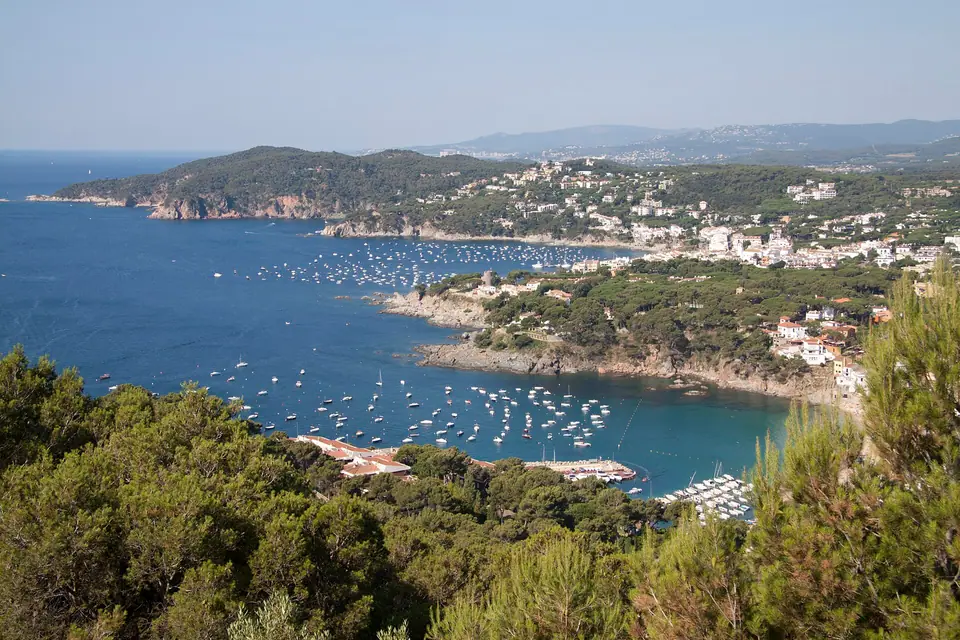
Of the 37 coves and beaches in our directory, 12 hold a 2026-2027 Blue Flag (ADEAC): almost all in the Selva, Sant Feliu-Palamós and Palafrugell. The wildest rocky coves, such as Cala Jóncols and Cala Montjoi, are around Roses, and the coast at Cadaqués is pebbly. Many can be reached on foot along the Camí de Ronda or by boat.
On the Costa Brava, «cala» can mean anything from a sandy beach with a promenade and lifeguards to a rocky inlet you reach only on foot or by boat. This guide sorts the coves by area, south to north, with the data checked: surface type, ADEAC's 2026-2027 Blue Flag, nudism and dogs according to OpenStreetMap or Wikidata.
Where a datum is missing (lifeguards, accessibility, dogs), we do not assume it. Swimming on the Costa Brava is a summer matter: the sea goes from about 16.5 °C in November to 19.6 °C in June, according to the NOAA climatology we use in our month calendar.
Reaching the coves: car, bus, Camí de Ronda or boat
Large beaches have a bus: according to Barcelona Secreta, Moventis Sarfa buses link Sant Feliu de Guíxols, Platja d'Aro, Palamós and Calella, and from Barcelona they take roughly 1 h 20 min to Lloret, 1 h 35 min to Tossa, 2 h to Sant Feliu and 2 h 30 min to Calella (approximate, confirm on moventis.es). Small coves usually mean a car with limited parking, walking the Camí de Ronda (see our guide) or going by boat or kayak. In Begur, locals advise parking in the village and walking down, because access roads are narrow in summer.
Dofi Jet boat between Blanes, Lloret de Mar and Tossa de Mar
Tourist boat along the coast between Calella and Tossa de Mar, one-way or return, boarding in Blanes, Fenals, Lloret and Cala Canyelles.
Catamaran to the Formigues Islands and Cap Roig from Palamós
About 3.5 hours by catamaran from Palamós with swimming and snorkelling at the Formigues Islands and a stop at Cap Roig.
Costa Brava Girona (Patronat de Turisme)
Camí de Ronda from Lloret de Mar to Tossa de Mar
A route of about 14 km along the camí de ronda with many coves and short climbs; the bus returns to Lloret in about 30 minutes.
The Selva coast: Tossa, Lloret and Blanes
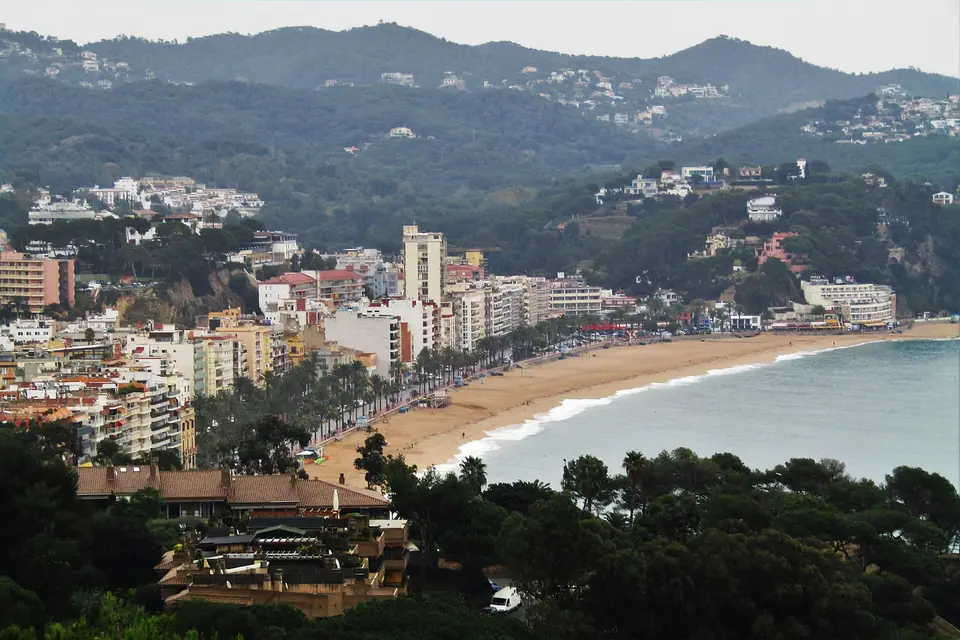
This is the area with the most 2026-2027 Blue Flags in our directory. In Tossa de Mar, Platja Gran has a Blue Flag and partial accessibility according to OpenStreetMap; Cala Pola is a sandy cove where nudism is tolerated, and Cala Giverola has no Blue Flag. In Lloret de Mar, Santa Cristina, Sa Boadella (sand, nudism allowed per OpenStreetMap) and Fenals hold Blue Flags. In Blanes, the sandy Sant Francesc beach does too.
For quiet coves near Lloret, the town's advice is to walk the Camí de Ronda towards Cala Boadella or Santa Cristina in the morning, while there is still shade. Between Lloret and Tossa, sources give between 14 and 20.5 km depending on the route (more in our Camí de Ronda guide).
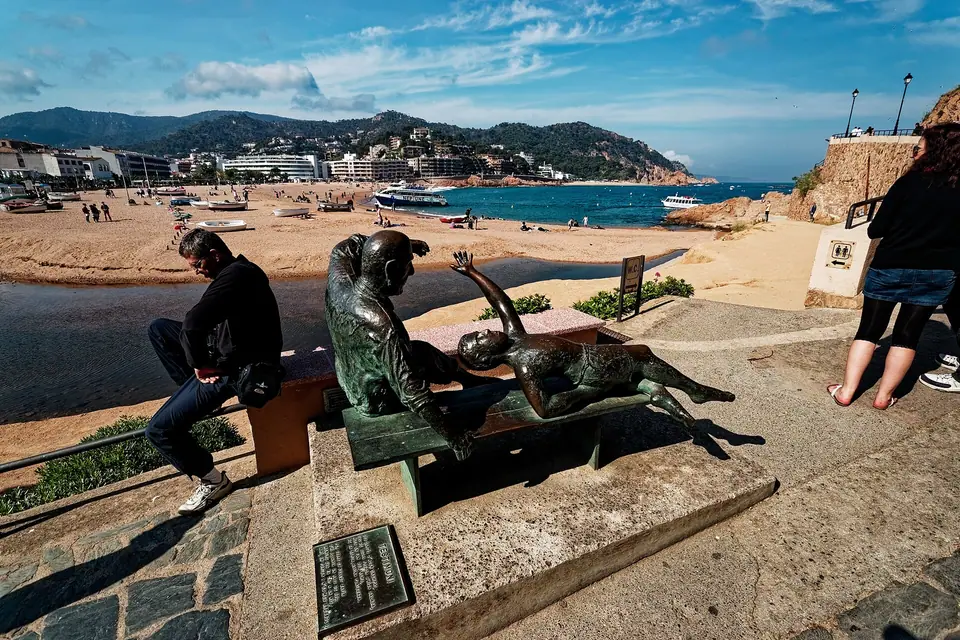
Ajuntament de Tossa de Mar (Turisme i Patrimoni)
Vila Vella of Tossa de Mar
Medieval walled town above the sea, free to enter, with a municipal museum and lighthouse.
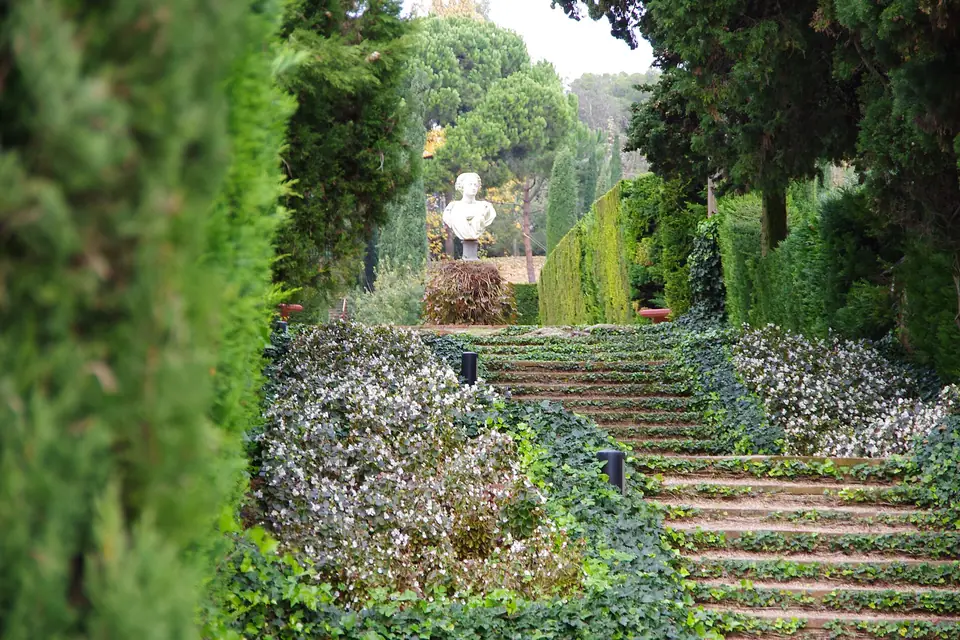
Santa Clotilde Gardens
Noucentista-style gardens on the Lloret cliffs, with paid admission.
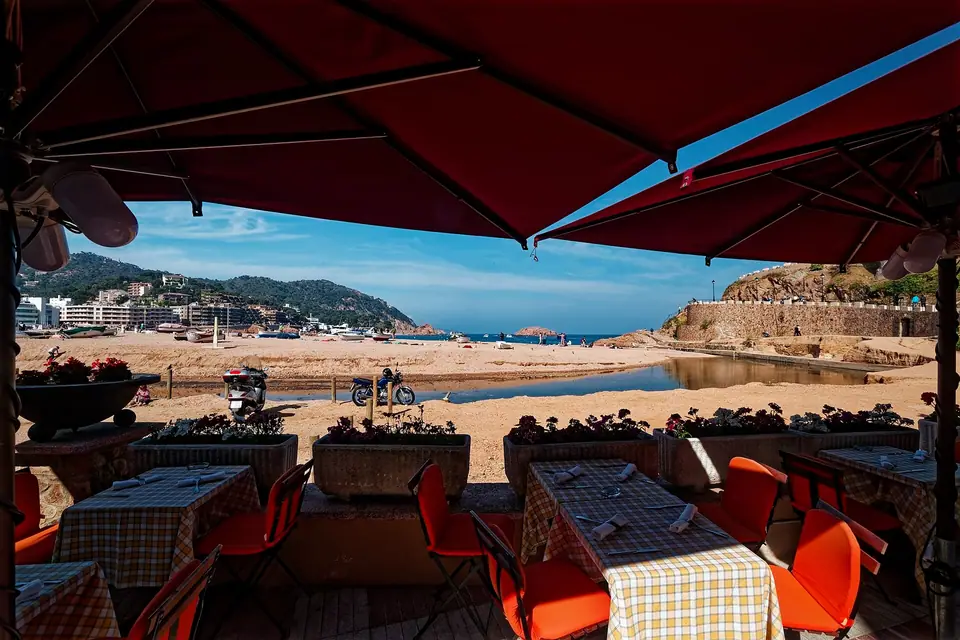
Entry ticket to Water World Lloret de Mar
Water park in Lloret de Mar with entry from about 40 € and a free bus from several towns.
Sant Feliu de Guíxols and Palamós: Sant Pol, Sa Conca and La Fosca
With a 2026-2027 Blue Flag: Sant Pol (sand, in Sant Feliu), Sa Conca (Castell-Platja d'Aro) and La Fosca (sand, in Palamós). Platja del Castell, in Palamós, does not have one, and Cala Estreta is sandy with nudism allowed per OpenStreetMap, without a Blue Flag. Between Sant Feliu and Sa Conca, a route guide gives 2.9 km and one hour to Sant Pol and 2.6 km more to Sa Conca.
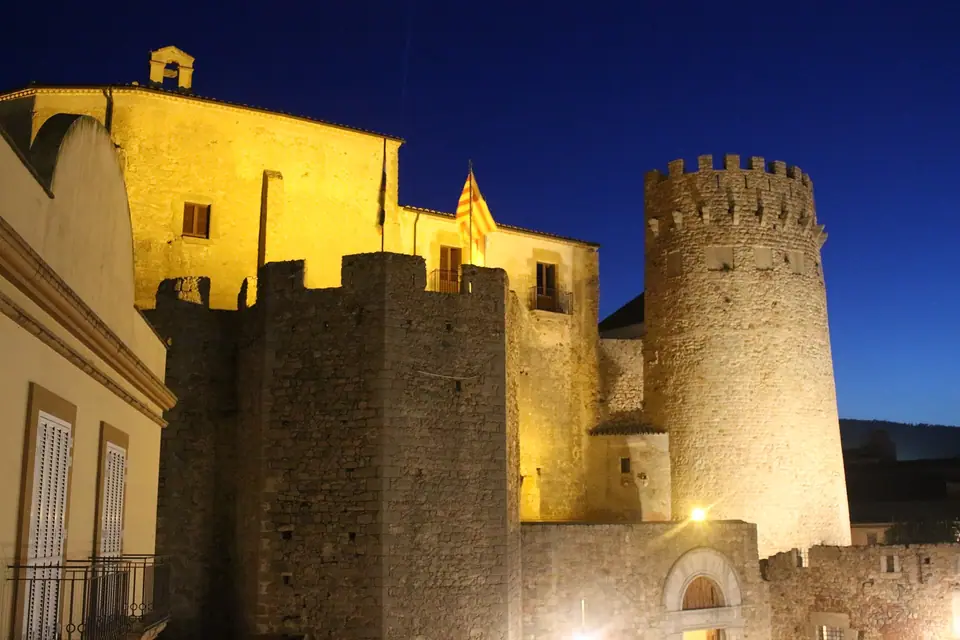
Costa Brava Girona (Patronat de Turisme)
Camí de Ronda from Sant Feliu de Guíxols to S'Agaró
Coastal walk from Sant Feliu harbour towards Sant Pol and S'Agaró, from 2.9 to 5.5 km depending on where you stop.
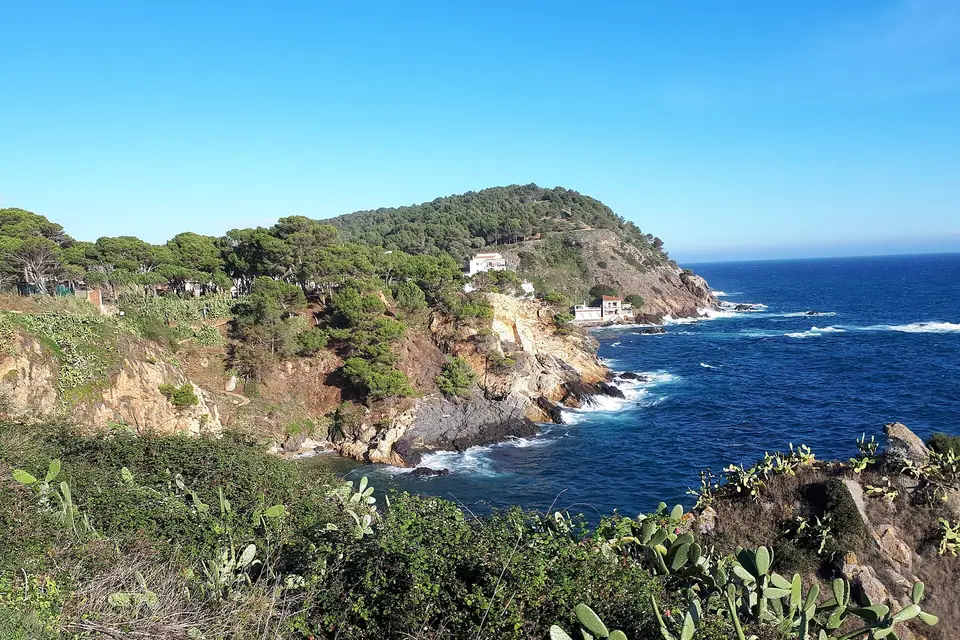
Kayak and snorkel from Platja Castell
Guided sea-kayak outing of about 3.5 hours with snorkelling from Platja Castell, on the Palamós-Calonge stretch.
Sailing trip along the southern coast from Palamós
Two-hour afternoon sailing trip from Palamós past Sant Antoni de Calonge, Cap Roig, Platja d'Aro and S'Agaró, with a swim stop.
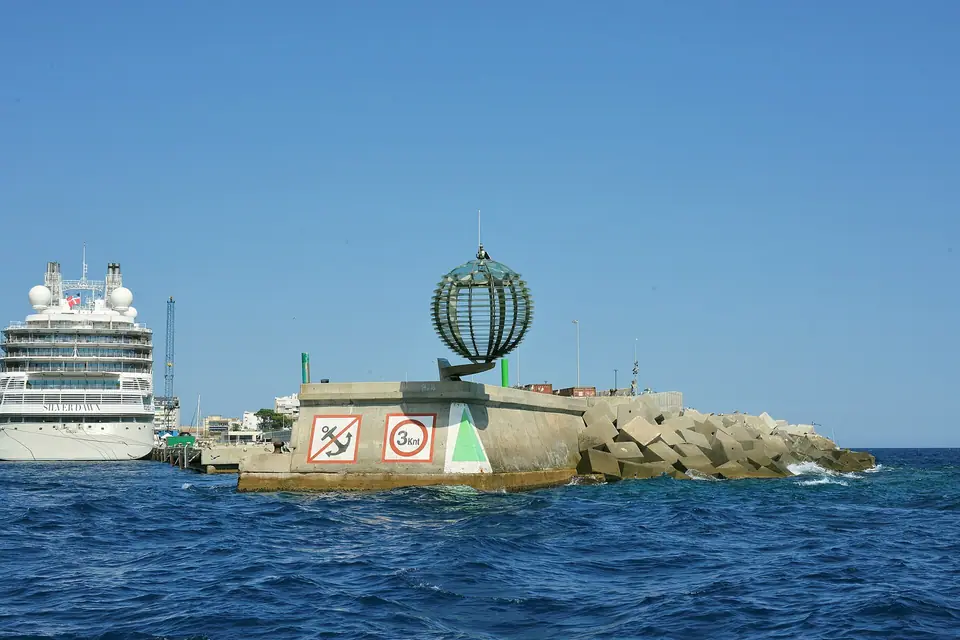
Cala del Molí via ferrata in Sant Feliu de Guíxols
A via ferrata over sea cliffs in Sant Feliu de Guíxols, with a guide; from about 36-40 € per the catalogue.
Palafrugell and Begur: Calella, Llafranc, Tamariu, Sa Tuna and Aiguablava
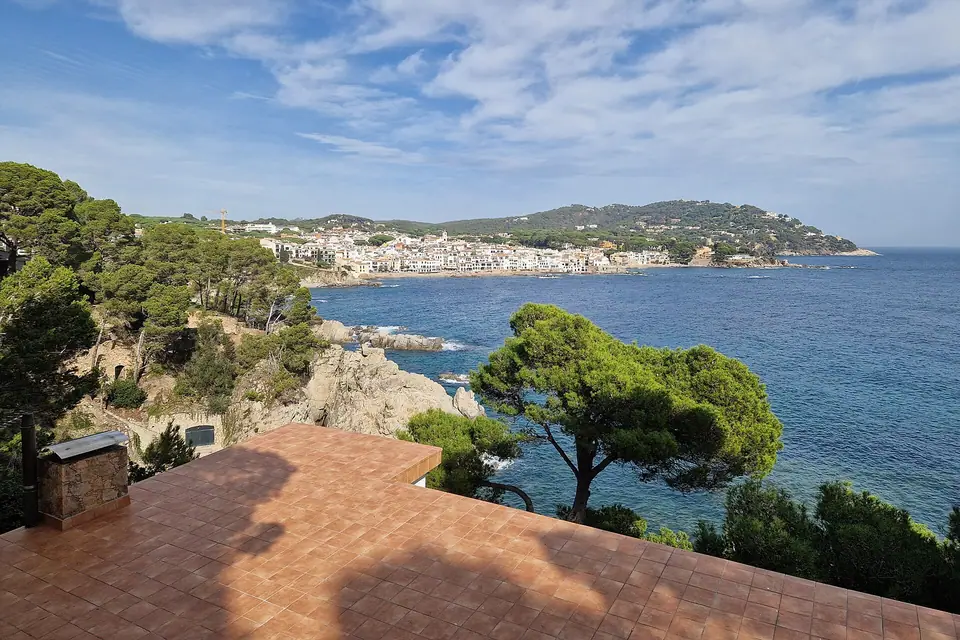
This is the most photographed cove area. Canadell, Llafranc and Tamariu (all sand) hold 2026-2027 Blue Flags. Port Bo, in Calella, has no surface data in our sources. In Begur, Aiguablava, Sa Riera and Sa Tuna are sandy without a Blue Flag; Sa Tuna has no lifeguard per OpenStreetMap, Cala Moreta is nudist and Platja del Racó does not allow dogs per OpenStreetMap.
The coastal path between Calella and Llafranc, about 3.6 km and 55 minutes according to the municipal leaflet, is short and flat at first. Calella to Tamariu is about 7 km, with the Sant Sebastià lighthouse at 170 m. The Cova d'en Gispert in Tamariu is, according to its operator, the largest cave on the Costa Brava and is visited by kayak (from 58 euros per the company).
Ajuntament de Palafrugell (Turisme)
Camí de Ronda from Calella de Palafrugell to Llafranc
A coastal GR 92 stroll of about 3.6 km between two of the Costa Brava's most photographed cove villages.
Ajuntament de Palafrugell (Turisme)
Camí de Ronda from Llafranc to Tamariu
A winding GR 92 stretch over cliffs and coves between Llafranc, Calella and Tamariu; guides give between 7 and 12 km.
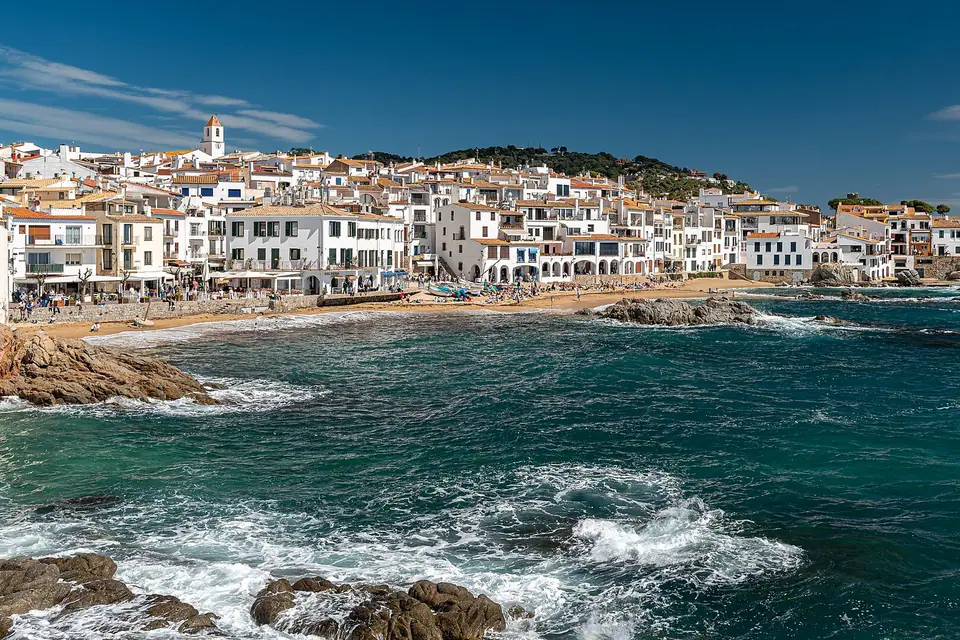
Kayak to the Cova d'en Gispert from Tamariu
Guided half-day sea-kayak outing (about 3 hours) from Tamariu to the Cova d'en Gispert, no experience needed.
Guided kayak outing from Llafranc
Guided 2 or 3 hour kayak outings around Llafranc bay and the Canadell coast, with optional snorkelling, picnic or underwater photos.
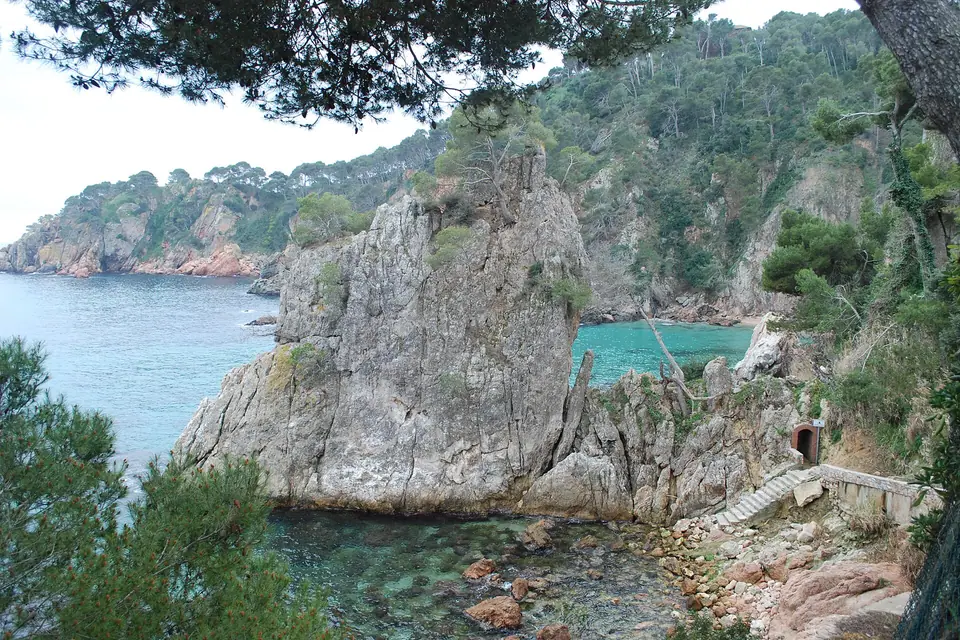
Boat and SUP hire in Llafranc
SUP hire for 30 minutes, 1 hour or half a day, plus motorboats with or without skipper, sea taxi and fishing outings.
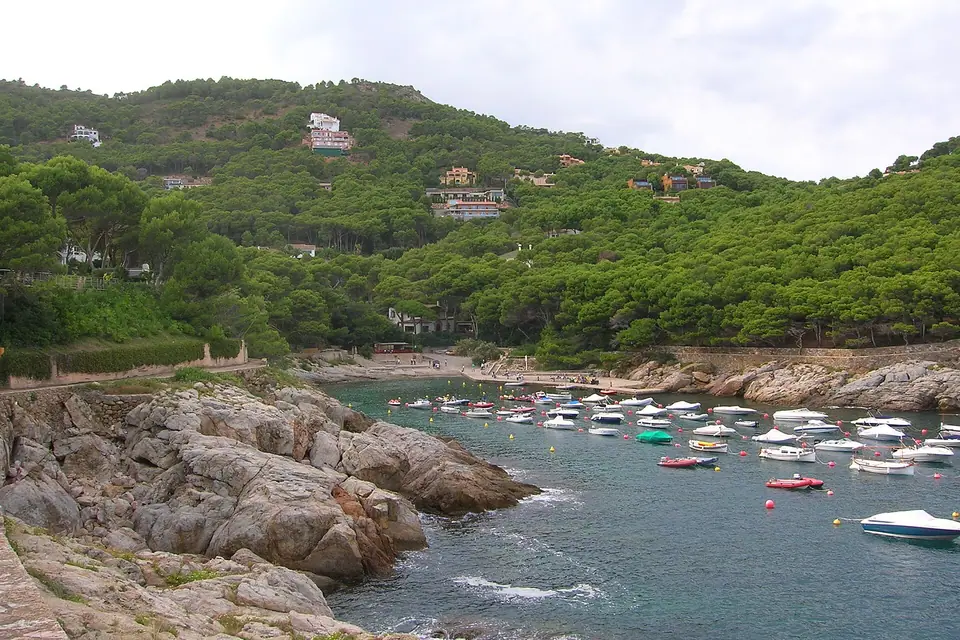
Camí de Ronda from Sa Tuna to Aiguafreda (Begur)
A short coastal walk between two Begur coves: about 2 km round trip and one hour, with steps.
Montgrí and L'Escala: Cala Montgó, Cala Ferriol and les Muscleres
Cala Montgó, between L'Escala and L'Estartit, holds a 2026-2027 Blue Flag. Cala Ferriol, in Torroella de Montgrí, and L'Escala's beaches (les Muscleres, sandy; Riells and les Barques) do not, and L'Estartit's beach is sandy. Off L'Estartit lie the Medes Islands, a marine reserve: snorkelling and diving are done with a guide and within the park rules.
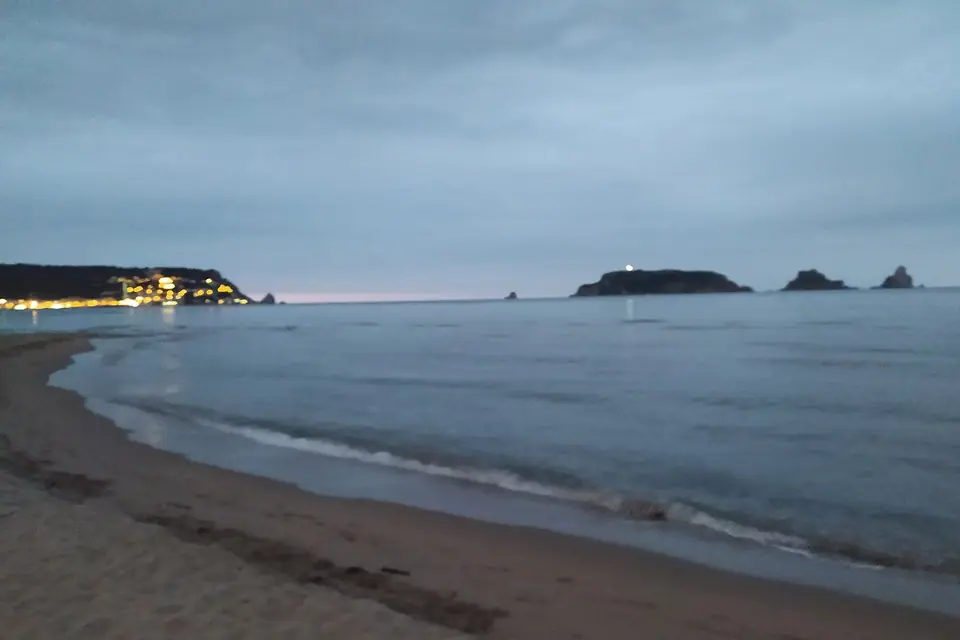
Guided snorkelling at the Medes Islands with Medaqua
About 2.5 hours with a guide, a short briefing film, a 10-minute crossing and snorkelling in the marine reserve, with wetsuit, mask and fins.
Guided snorkelling cruise to the Medes (glass-bottom boat)
About two hours from L'Estartit with guided snorkelling in the reserve and views of the seabed from a glass-bottom boat.
Underwater-cabin catamaran to the Medes Islands
Crossing from L'Estartit to the Medes Islands on a catamaran with an underwater viewing cabin and a 20-30 minute swim stop in the reserve.
Guided kayak or SUP route from L'Escala
Guided outing from L'Escala harbour by kayak or SUP board, in groups of up to 8 in spring, summer and autumn.
Roses and Cadaqués: Montjoi, Jóncols, Portlligat and the pebble coast
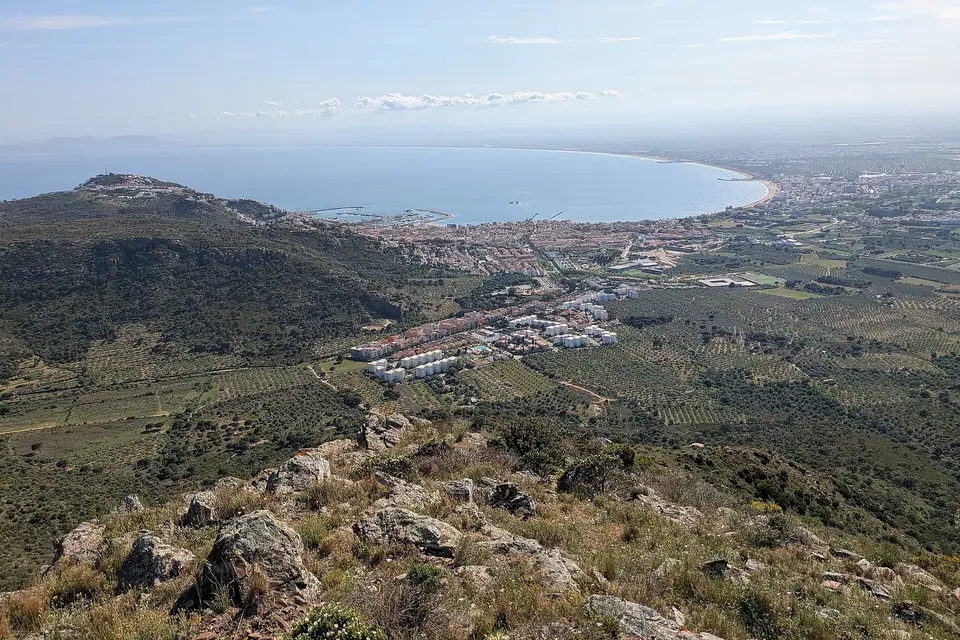
In the north no beach in our directory holds a 2026-2027 Blue Flag, but this is where the wildest coves are: Cala Montjoi and Cala Jóncols (Roses), Canyelles Petites and Platja de l'Almadrava. For Montjoi or Cap de Creus, set off early: the tracks are narrow and parking is scarce. In Cadaqués, Platja Gran is pebbles; s'Alqueria too, with nudism allowed; the one at Portlligat is sand.
From Roses, a glass-bottom catamaran runs to Cap Norfeu and Cala Jóncols, and from Portlligat and Roses there are kayak routes through the Cap de Creus Natural Park.
Els Blaus de Roses (Nautilus Submarino)
Glass-bottom catamaran to Cap Norfeu from Roses
Two hours on a catamaran with underwater windows from Roses bay to Cap Norfeu and Cala Jóncols, with an audio guide in five languages.
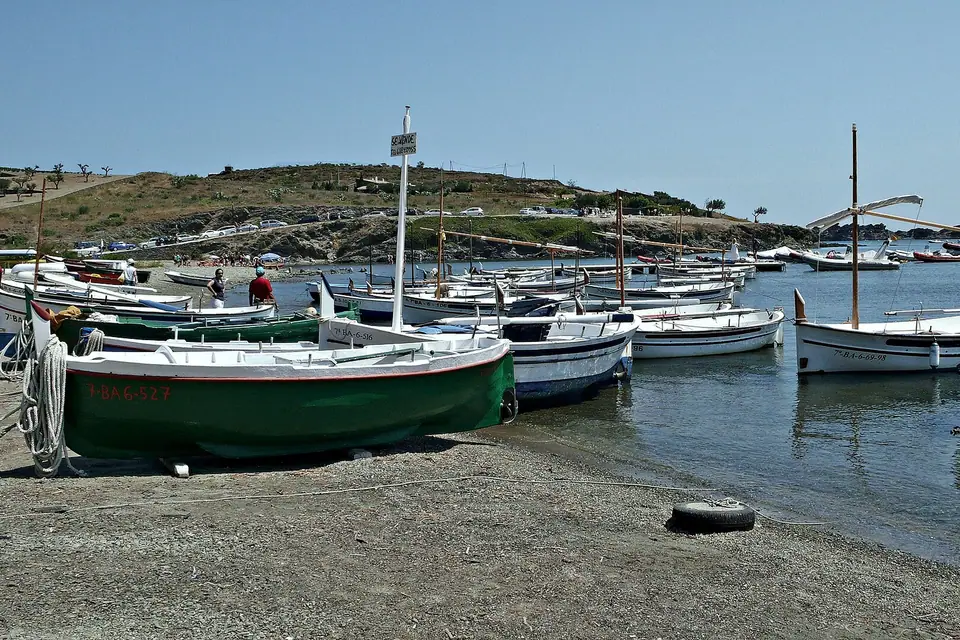
Els Blaus de Roses (Nautilus Submarino)
Catamaran from Roses to Portlligat and Cadaqués
About 4 hours on a catamaran along the Cap de Creus coast, seeing the Dalí house-museum from the sea and 90 minutes in Cadaqués.
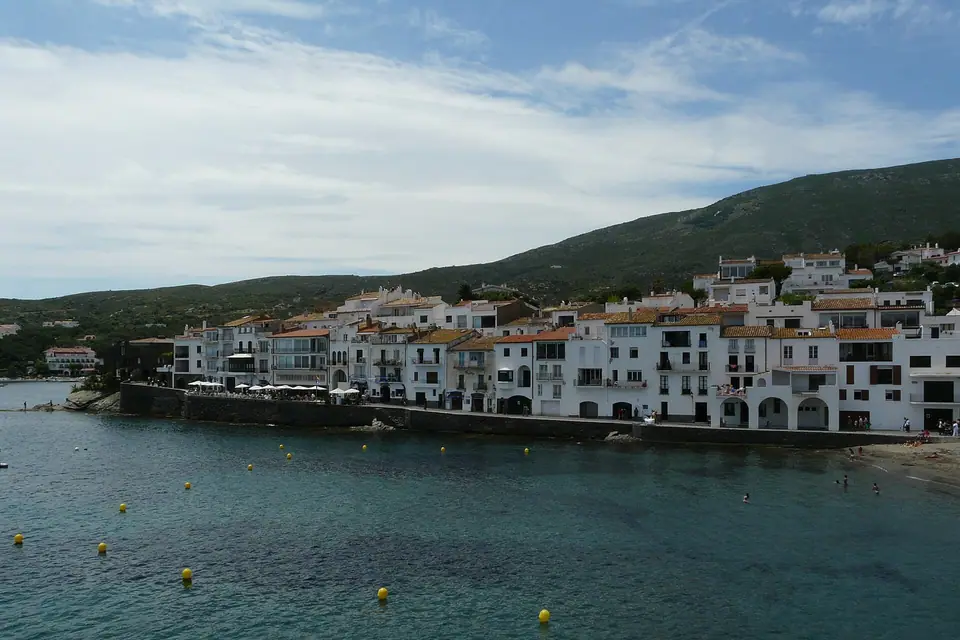
Guided kayak and snorkel from Almadrava (Roses)
A guided outing of about 2.5 hours by kayak with snorkelling in Cap de Creus coves such as Murtra and Rostella; from 29 €.
Full-day kayak around Cap de Creus from Portlligat
About 7 hours by sea kayak from Portlligat around Cap de Creus to Cala Culip.
Boat from Roses to Cadaqués, half day
About 3.5 hours on a traditional boat from Roses with 1.5 hours free in Cadaqués and commentary on Cala Murtra, Montjoi and Jóncols.
Official sources
Our own text, drawn from these sources as checked up to 21 November 2026. Rules and traffic restrictions change, so verify them before travelling.
Frequently asked questions
What are the best coves on the Costa Brava?
According to our directory, among the sandy 2026-2027 Blue Flag beaches, Llafranc, Tamariu, Canadell, Sant Pol and La Fosca stand out. For wilder coves, Cala Montjoi and Cala Jóncols at Roses, Aiguablava and Sa Tuna at Begur and Cala Pola at Tossa.
Which Costa Brava beaches have a Blue Flag?
Of the 37 in our directory, 12 are on ADEAC's 2026-2027 list: Tossa's Platja Gran, Santa Cristina, Sa Boadella, Fenals, Sant Francesc (Blanes), Sa Conca, Sant Pol, La Fosca, Canadell, Llafranc, Tamariu and Cala Montgó.
Are there nudist beaches on the Costa Brava?
According to OpenStreetMap, nudism is allowed at Sa Boadella (Lloret), Cala Estreta (Palamós), Cala Moreta (Begur) and s'Alqueria (Cadaqués), and tolerated at Cala Pola (Tossa). The data is crowd-sourced: check the signs on the beach.
When is the sea warmest?
According to the NOAA monthly climatology we use, the sea rises from 14 °C in April to 19.6 °C in June; July to September figures are in our month calendar. In November it is around 16.5 °C and in February it drops to 12.8 °C.
Can you get to the coves by public transport?
To the town beaches, yes: Moventis Sarfa links Lloret, Tossa, Sant Feliu, Platja d'Aro, Palamós and Calella. For the small coves you add a stretch on foot. A bus to Llafranc is not confirmed; check the official timetables.
Atlas Costa Brava editorial team · reviewed on 21 November 2026
More guides
- Costa Brava Camí de Ronda: the most beautiful GR 92 stages, with distances and how to get back
- The Costa Brava out of season: what is open, what is closed and what the weather is like from November to March
- What to see on the Costa Brava, town by town from south to north
- Dalí Museum Figueres tickets, plus Portlligat and Púbol: hours and prices
- Rainy-day plans on the Costa Brava
- Costa Brava with kids: what to do
- Free or cheap on the Costa Brava
- Low-effort, easy plans on the Costa Brava