Guide
What to see on the Costa Brava, town by town from south to north
What to see on the Costa Brava, south to north in six stretches: Tossa, Camí de Ronda, Begur, Empúries, the Medes, Cadaqués, Dalí, Girona, Figueres.
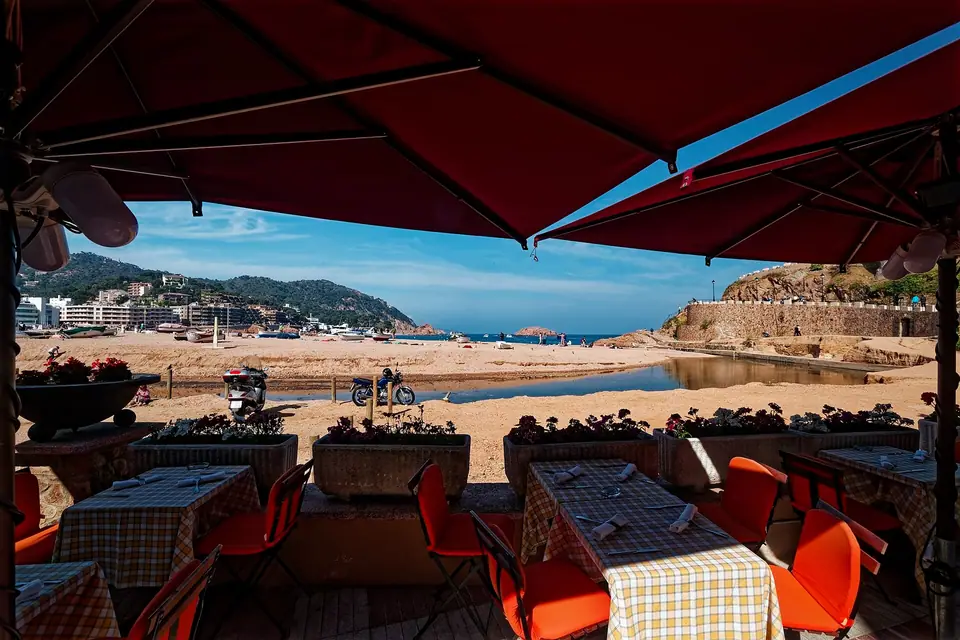
In short
The Costa Brava is best travelled from south to north in six stretches: the Selva coast (Blanes, Lloret, Tossa), Sant Feliu and Palamós, Palafrugell and Begur, the Montgrí and Empúries, Cap de Creus and, inland, Girona and Figueres. Here is what to see in each, with prices and hours only where an official source publishes them.
The Costa Brava is not one place but a string of bays, stone villages and coves split by headlands, joined almost end to end by a coastal path (the Camí de Ronda, part of the GR 92). This guide runs from south to north, from Blanes to Cap de Creus, and leaves the inland pair of Girona and Figueres for the end.
The prices and hours you see are the ones checked on 21 November 2026; where sources disagree or the data is missing, we say so. If you are coming from Barcelona, the sources we looked at give about 39 to 42 minutes by train to Girona and 53 to 59 minutes to Figueres (Renfe timetable aggregators, to be confirmed on renfe.com), and roughly 1 h 20 min by Moventis Sarfa bus to Lloret de Mar (Barcelona Secreta, approximate).
The Selva coast: Blanes, Lloret de Mar and Tossa de Mar
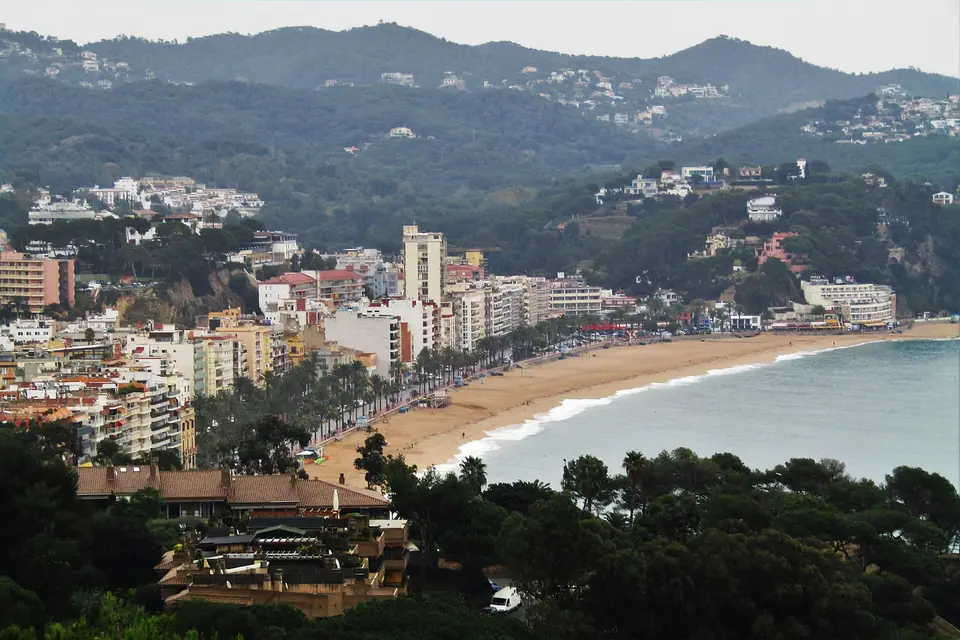
1. Blanes and Marimurtra. Blanes is where the Costa Brava and the GR 92 begin. The Marimurtra Botanical Garden sits on the cliff; its tickets are sold on Tiqets with the Fundació Carl Faust itself as provider. The current price is not confirmed: Time Out cites 6.50 euros but resellers show others. Sant Francesc beach holds a 2026-2027 Blue Flag.
2. Lloret de Mar. It is the busiest beach in the area, but walking the Camí de Ronda is enough to find quieter coves and the Santa Cristina surroundings. The Santa Clotilde Gardens overlook the sea at Fenals; general admission is 6.10 euros and opening hours change with the season. Santa Cristina, Sa Boadella and Fenals hold 2026-2027 Blue Flags.
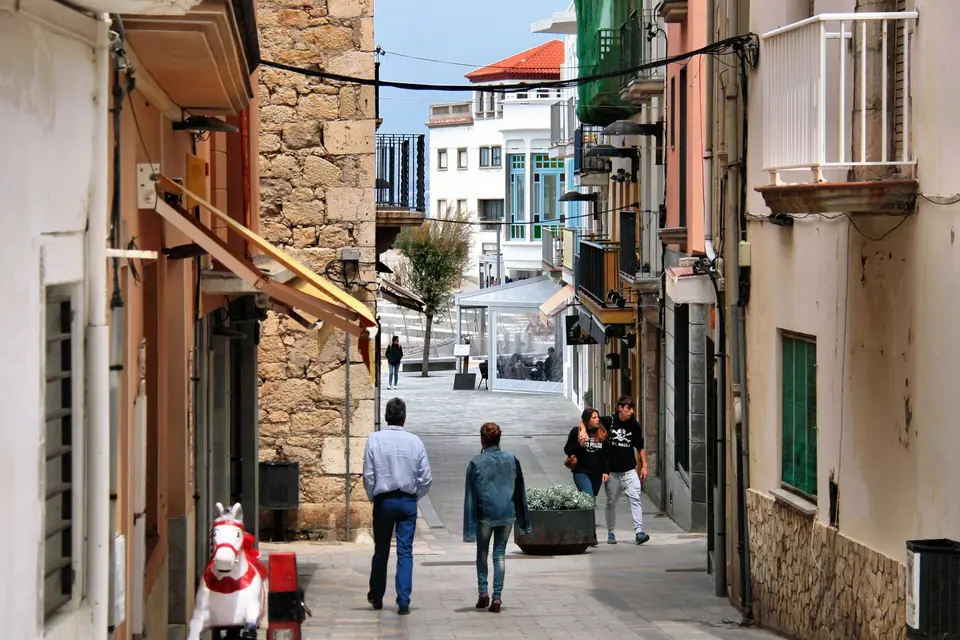
3. Tossa de Mar. Its Vila Vella crowns the headland with walls and towers; entry to the walled town is free with no fixed hours, and inside are the Museu Municipal (Casa Falguera) and the Museu del Far, which charge their own fares, not confirmed. There are walking tours of about two hours from the tourist office. A local tip: go up early, before the coaches, and leave the beach for later. Platja Gran has a 2026-2027 Blue Flag and sandy Cala Pola is a short walk away.
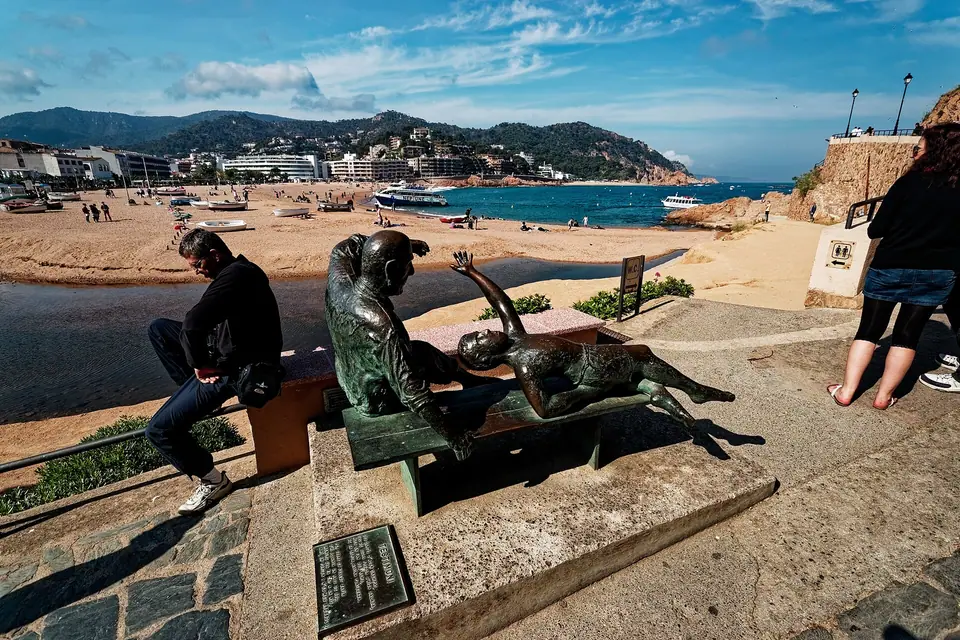
Ajuntament de Tossa de Mar (Turisme i Patrimoni)
Vila Vella of Tossa de Mar
Medieval walled town above the sea, free to enter, with a municipal museum and lighthouse.
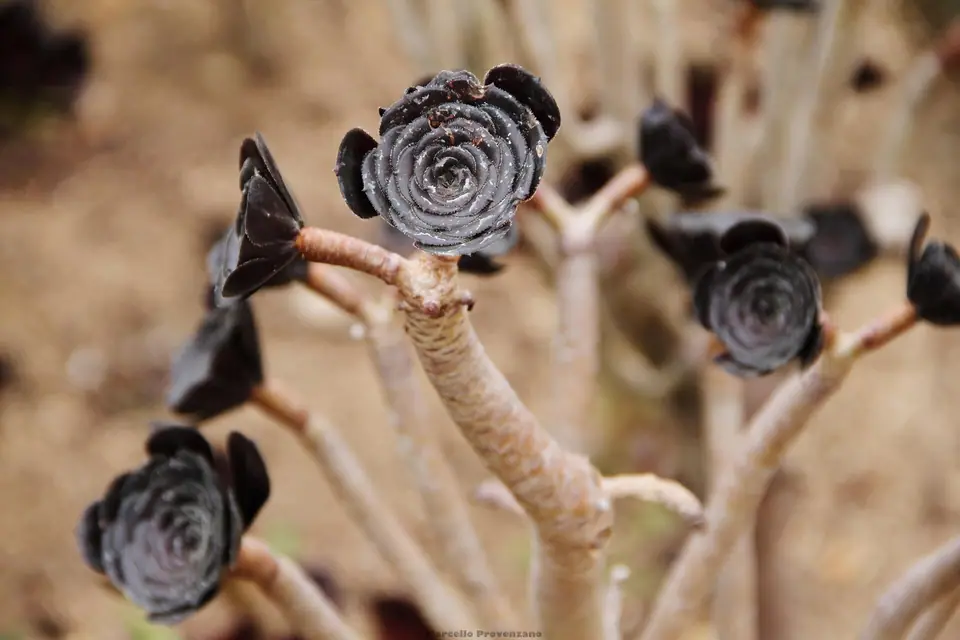
Fundació Privada Carl Faust (Jardí Botànic Marimurtra)
Marimurtra Botanical Garden
Mediterranean botanical garden on the Blanes cliffs, created by Carl Faust.
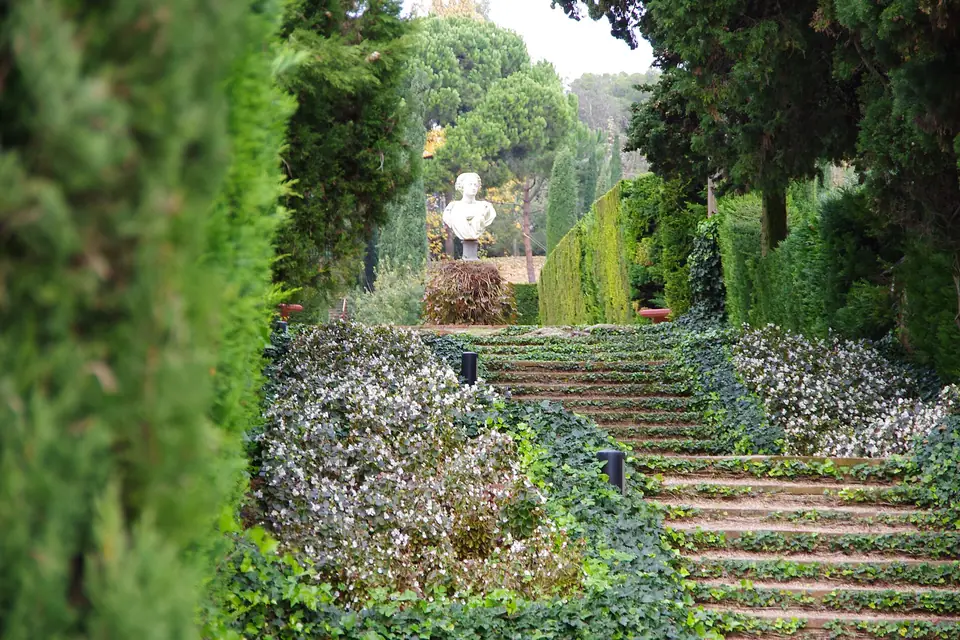
Santa Clotilde Gardens
Noucentista-style gardens on the Lloret cliffs, with paid admission.
Dofi Jet boat between Blanes, Lloret de Mar and Tossa de Mar
Tourist boat along the coast between Calella and Tossa de Mar, one-way or return, boarding in Blanes, Fenals, Lloret and Cala Canyelles.
Costa Brava Girona (Patronat de Turisme)
Camí de Ronda from Lloret de Mar to Tossa de Mar
A route of about 14 km along the camí de ronda with many coves and short climbs; the bus returns to Lloret in about 30 minutes.
Sant Feliu de Guíxols and Palamós
4. Sant Feliu de Guíxols. A seafaring town with a tree-lined promenade, a Benedictine monastery and the Camí de Ronda stretch to S'Agaró: a route guide gives 2.9 km and one hour to Sant Pol beach (2026-2027 Blue Flag) and a further 2.6 km to Sa Conca. There are steps and rock, so wear closed shoes. The Cala del Molí via ferrata and the Carrilet Greenway also start here, about 39 to 42 km depending on the source, descending gently from Girona.
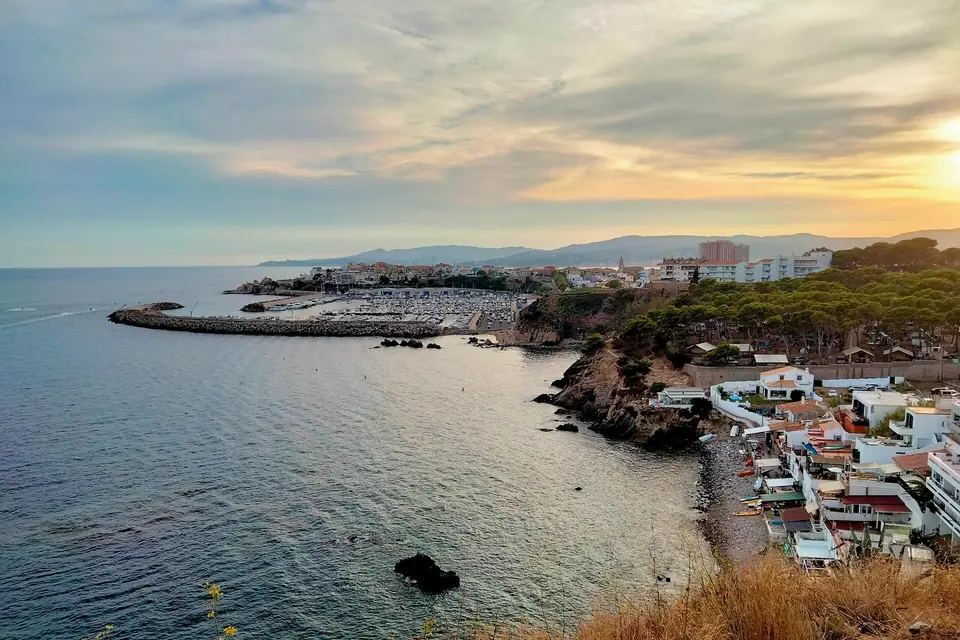
5. Palamós. It lives off its port: the fish market, the red prawn and the Museu de la Pesca, with a permanent exhibition (5 euros general admission per a Catalan listing) and closed on Mondays from October to April, according to its website. The museum also runs the fish-auction visit (3.50 euros per Surt de Casa; dates to be confirmed). La Fosca holds a 2026-2027 Blue Flag, and the Camí de Ronda to Calella de Palafrugell is about 11 km, around 3 hours.
Fishing Museum of Palamós
Maritime museum on local fishing, with a gastronomy classroom and harbour activities in Palamós.
Guided visit to the Palamós fish auction
A visit of about 30 minutes to the fish market to see the day's catch auctioned.
Costa Brava Girona (Patronat de Turisme)
Camí de Ronda from Sant Feliu de Guíxols to S'Agaró
Coastal walk from Sant Feliu harbour towards Sant Pol and S'Agaró, from 2.9 to 5.5 km depending on where you stop.
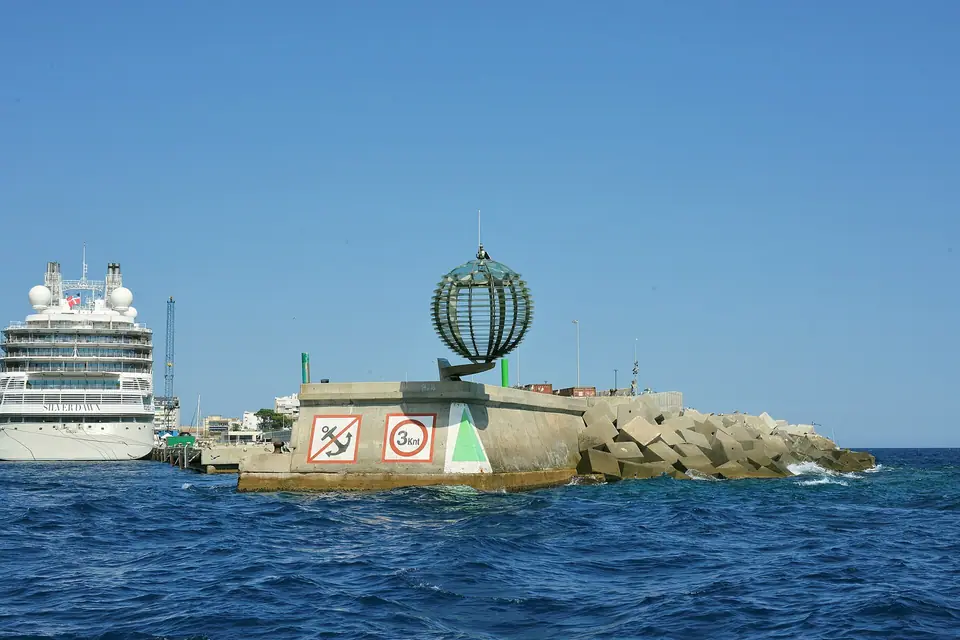
Cala del Molí via ferrata in Sant Feliu de Guíxols
A via ferrata over sea cliffs in Sant Feliu de Guíxols, with a guide; from about 36-40 € per the catalogue.
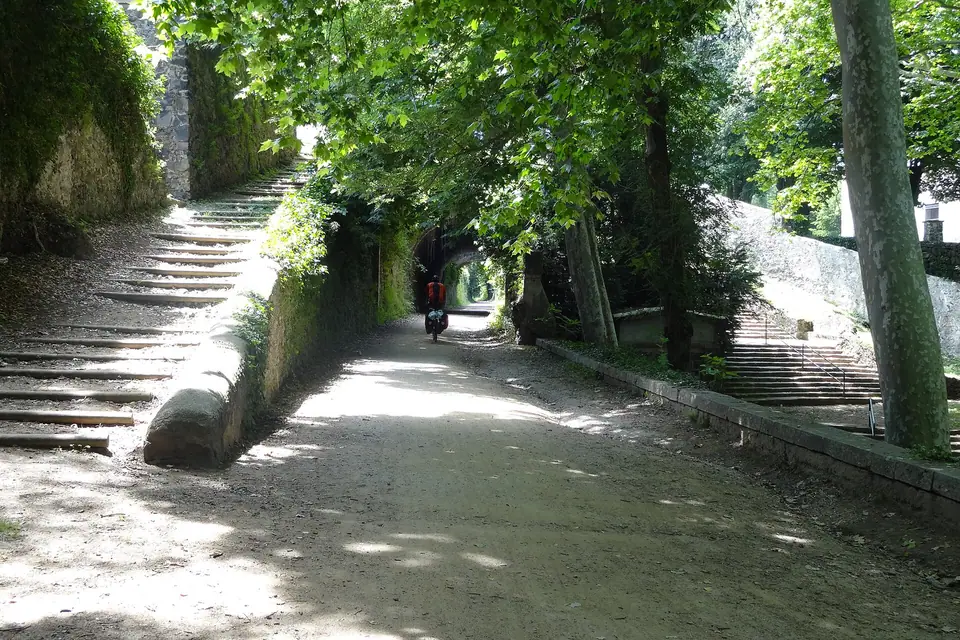
Vías Verdes – Carrilet Girona–Sant Feliu
Carrilet Greenway: Girona to Sant Feliu de Guíxols
A former railway line turned greenway of roughly 39 to 42 km with a gentle gradient, for walking or cycling.
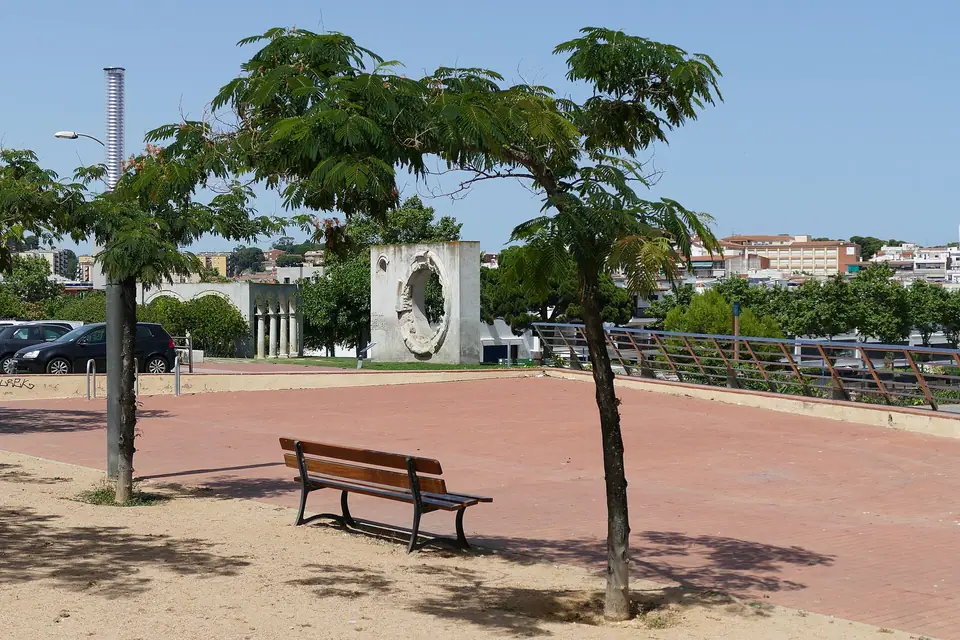
Catamaran to the Formigues Islands and Cap Roig from Palamós
About 3.5 hours by catamaran from Palamós with swimming and snorkelling at the Formigues Islands and a stop at Cap Roig.
Palafrugell, Begur and the Pals hinterland
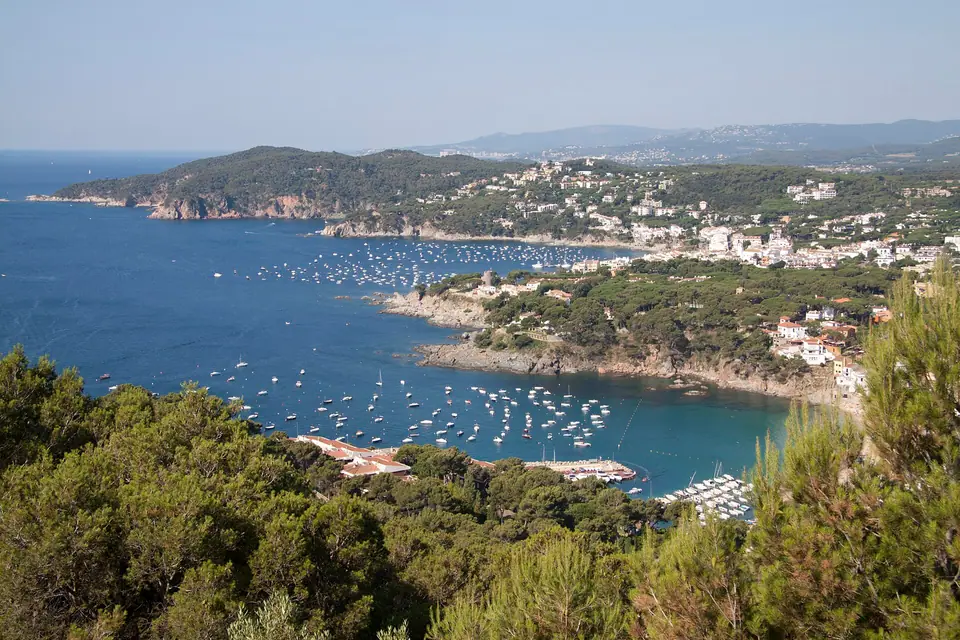
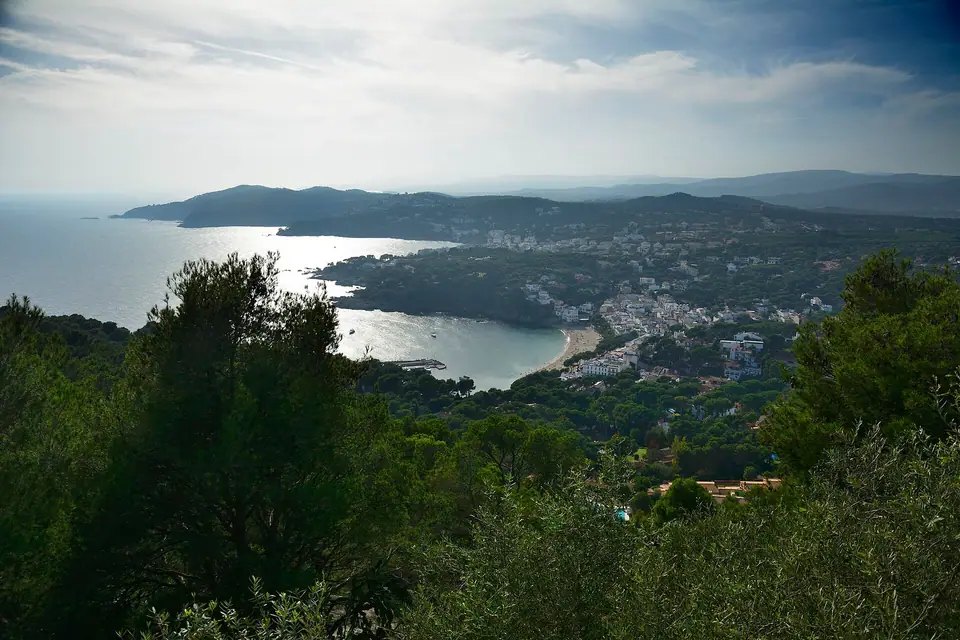
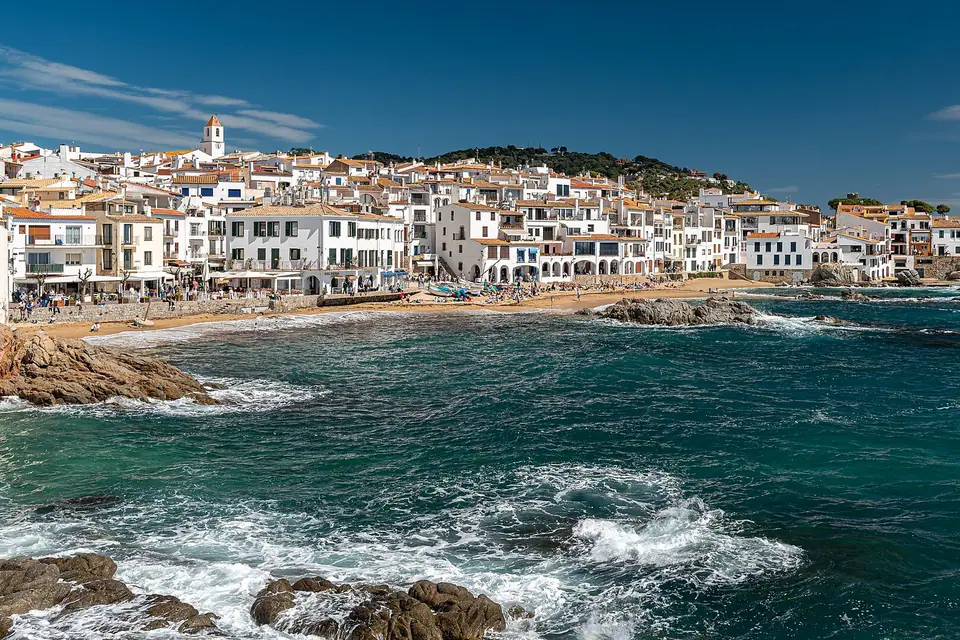
6. Calella de Palafrugell, Llafranc and Tamariu. This is the classic image of the Costa Brava: beached boats, arcades and small bays. Llafranc, Canadell and Tamariu hold 2026-2027 Blue Flags. The Calella-Llafranc stretch of the Camí de Ronda is about 3.6 km and 55 minutes according to the municipal leaflet; Calella to Tamariu is about 7 km, with the Sant Sebastià lighthouse 170 metres above the sea. The leaflet advises avoiding the path in an easterly storm.
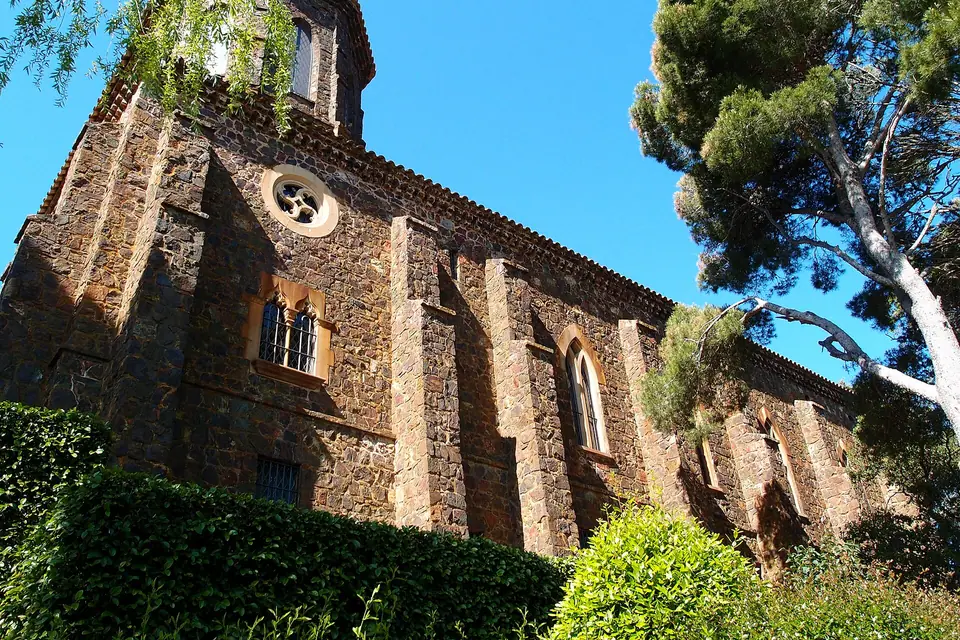
7. Cap Roig Gardens and the Sant Sebastià lighthouse. Between Palafrugell and Mont-ras, the garden holds about 800 species and some 20 sculptures; the self-guided visit starts from 12 euros according to costabrava.org, and hours do not appear in the sources (phone 972 614 582). The Sant Sebastià de la Guarda site near Llafranc combines lighthouse, Iberian settlement and an interpretation space, with free access; no visiting hours are published.
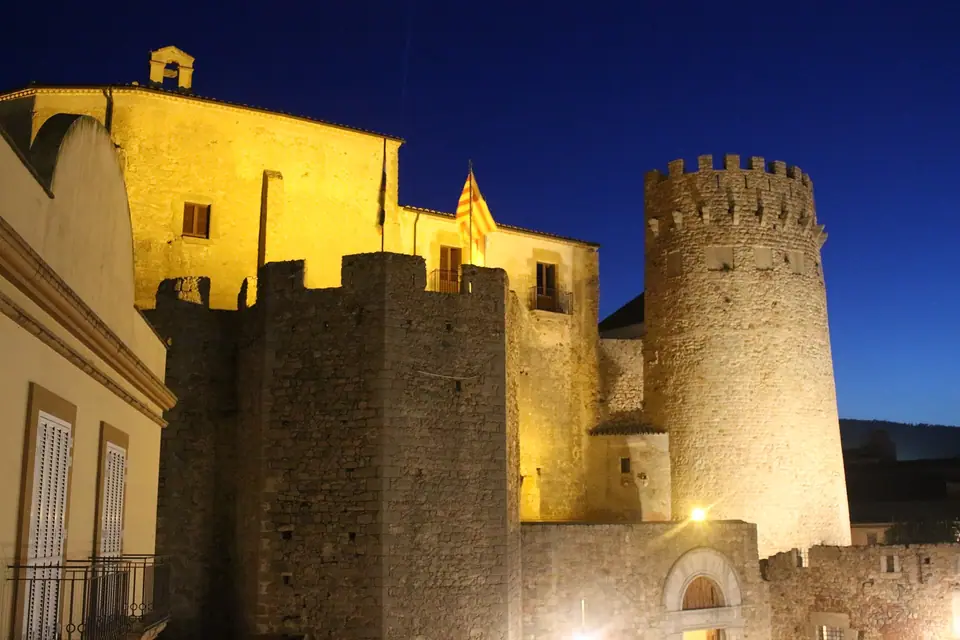
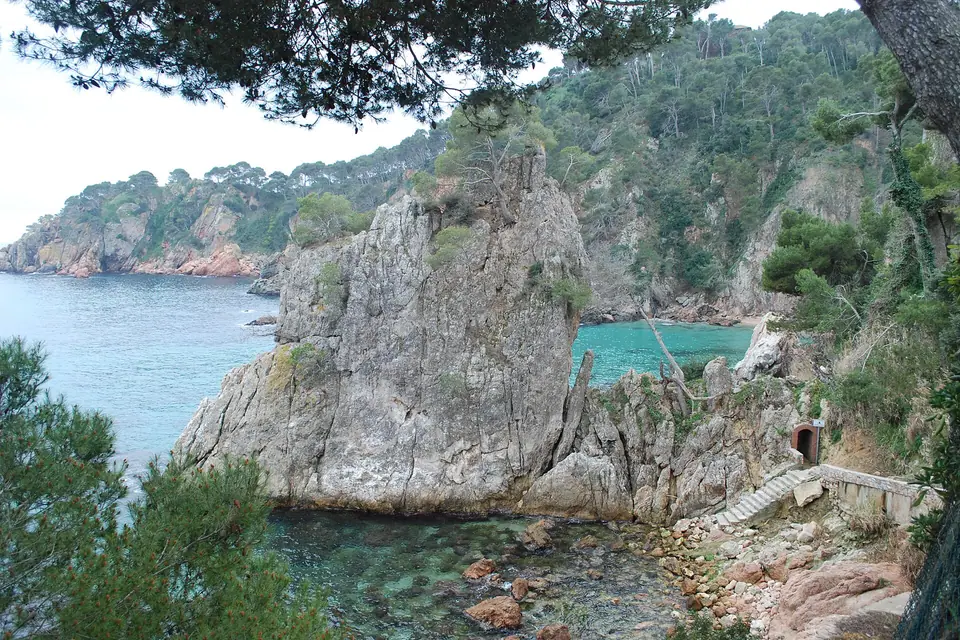
8. Begur, Sa Tuna and Aiguablava. Begur looks out over the sea from its castle, and below are Sa Riera, Aiguablava and Sa Tuna, sandy coves with pines to the water's edge. Sa Tuna has no lifeguard according to OpenStreetMap and Cala Moreta is a nudist cove. Begur's tourism site describes the Sa Tuna-Aiguafreda round trip as low difficulty, with steps, about 2 km and an hour. Park in the village and walk down to the coves: access roads are narrow in summer.
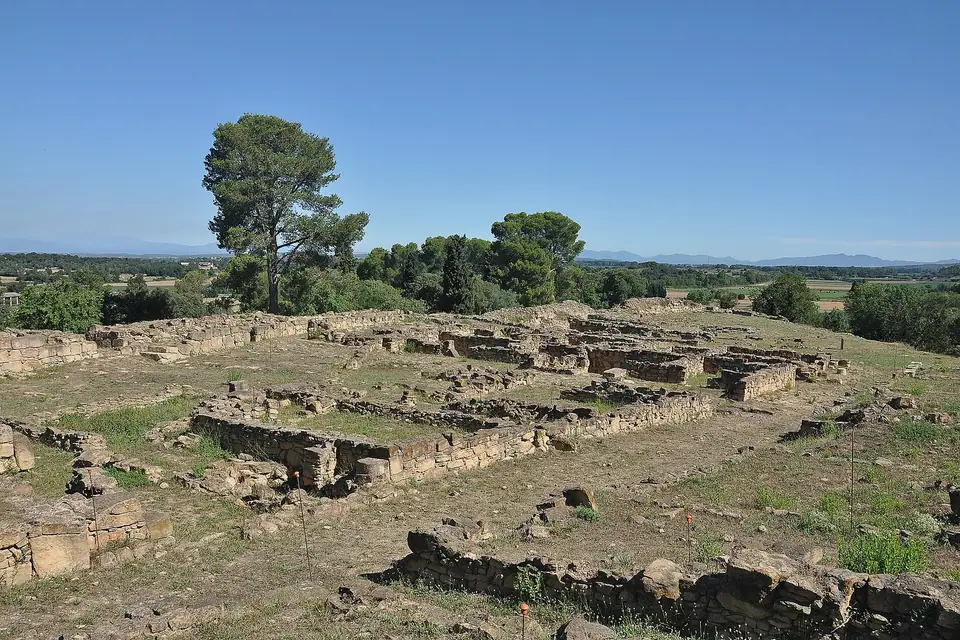
9. Pals, Peratallada and Ullastret. Pals combines a Gothic stone old town, rice fields and a long dune-backed beach; Peratallada is one of the best-preserved medieval villages of the Baix Empordà, best visited outside midday hours. At the Iberian City of Ullastret, general admission is 7 euros (5 reduced); in winter it opens Tuesday to Sunday and under-16s enter free. The Museu del Suro in Palafrugell has no clear fare in the sources; the Palafrugell Plus pass covers six cultural venues for 10 euros.
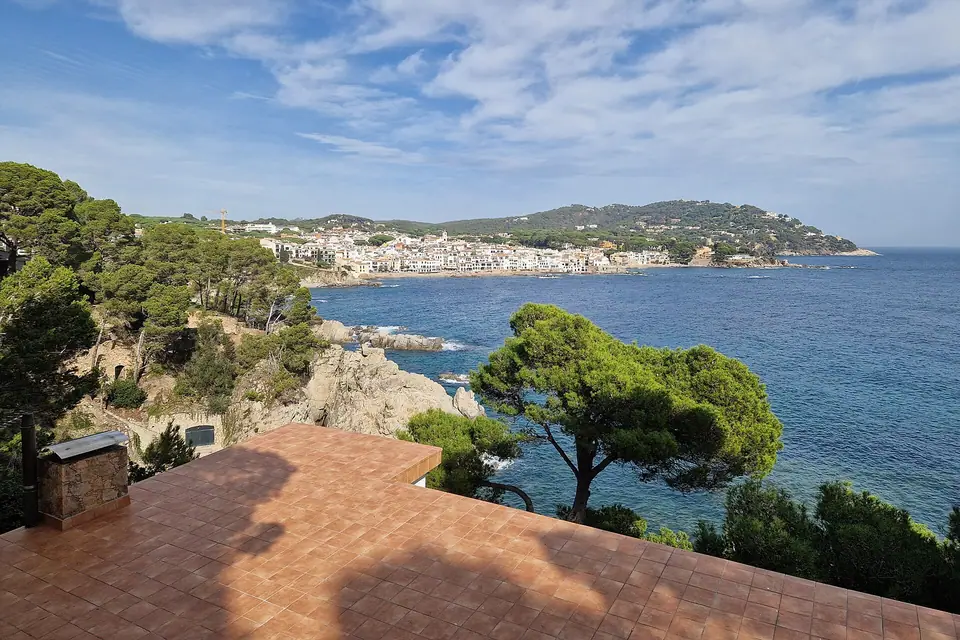
Ajuntament de Palafrugell (Turisme)
Camí de Ronda from Calella de Palafrugell to Llafranc
A coastal GR 92 stroll of about 3.6 km between two of the Costa Brava's most photographed cove villages.
Ajuntament de Palafrugell (Turisme)
Camí de Ronda from Llafranc to Tamariu
A winding GR 92 stretch over cliffs and coves between Llafranc, Calella and Tamariu; guides give between 7 and 12 km.
Ajuntament de Palafrugell (Turisme)
Sant Sebastià lighthouse and Iberian settlement (Llafranc)
A viewpoint above Llafranc with a lighthouse, picnic area, the start of a coastal path and the 5th-1st century BC Iberian settlement.
Cap Roig Gardens: self-guided visit
Free-paced tour of a botanical garden of about 20 hectares and 800 species, with a castle and sculptures above the sea.
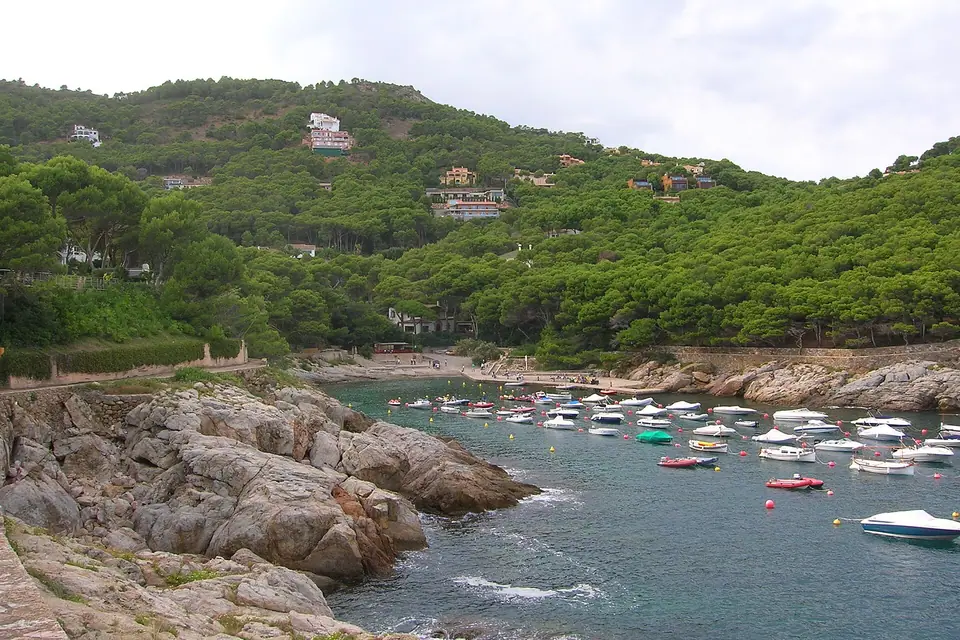
Camí de Ronda from Sa Tuna to Aiguafreda (Begur)
A short coastal walk between two Begur coves: about 2 km round trip and one hour, with steps.
Kayak to the Cova d'en Gispert from Tamariu
Guided half-day sea-kayak outing (about 3 hours) from Tamariu to the Cova d'en Gispert, no experience needed.
MAC Ullastret (Ciutat ibèrica d'Ullastret)
Iberian town of Ullastret
Walled Iberian settlement on Puig de Sant Andreu, with a museum and guided visits.
Museu del Suro de Catalunya (Palafrugell)
Cork Museum of Catalonia
Cork museum in a former factory in Palafrugell, included in the Palafrugell Plus pass.
The Montgrí, the Medes and Empúries
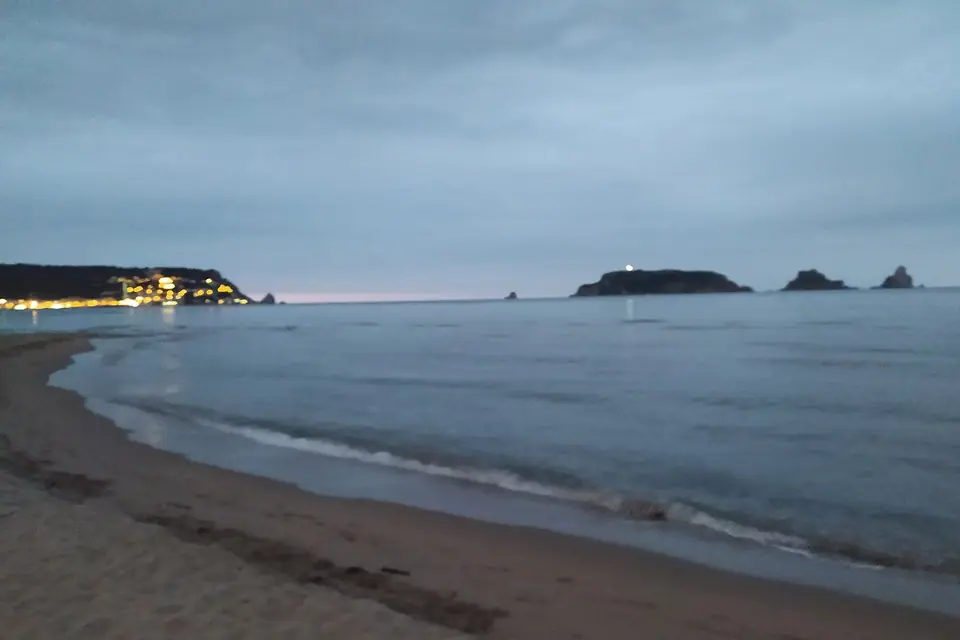
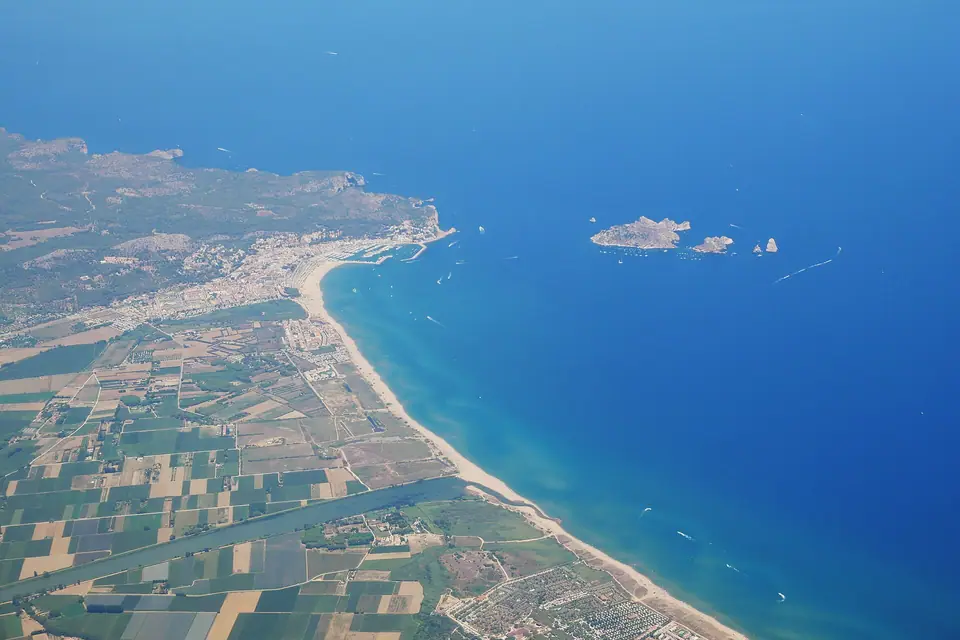
10. L'Estartit and the Medes Islands. L'Estartit is the base for visiting the Medes Islands by boat or diving, a marine reserve where fishing is banned, within the Montgrí, Medes Islands and Baix Ter Natural Park. Guided snorkelling costs between 37 euros (Femturisme) and 39 euros (Civitatis) depending on the source, and park fees may not be included. There is a catamaran with an underwater cabin, plus diving and snorkelling with several centres. Book ahead in summer.
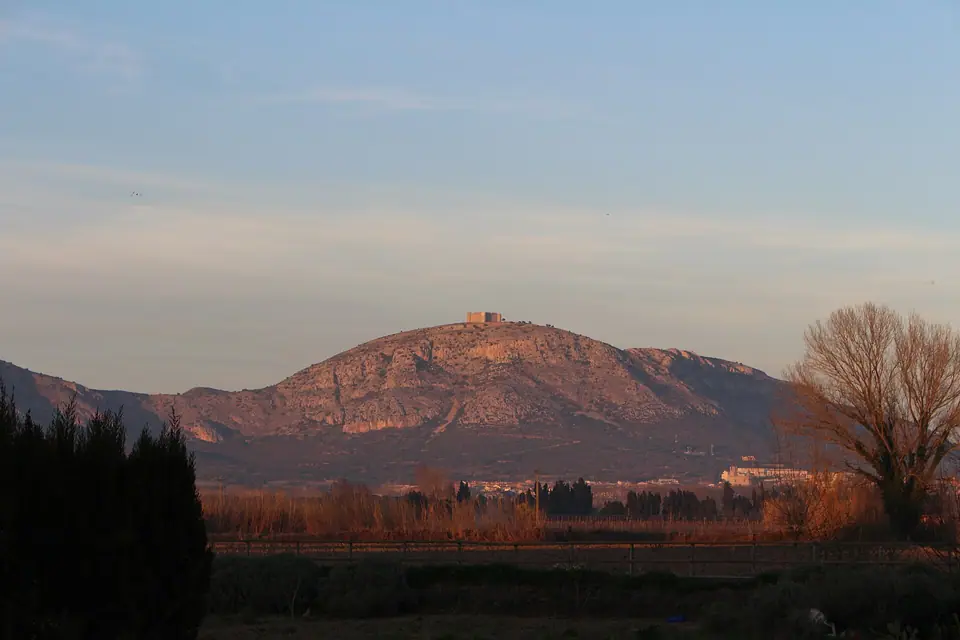
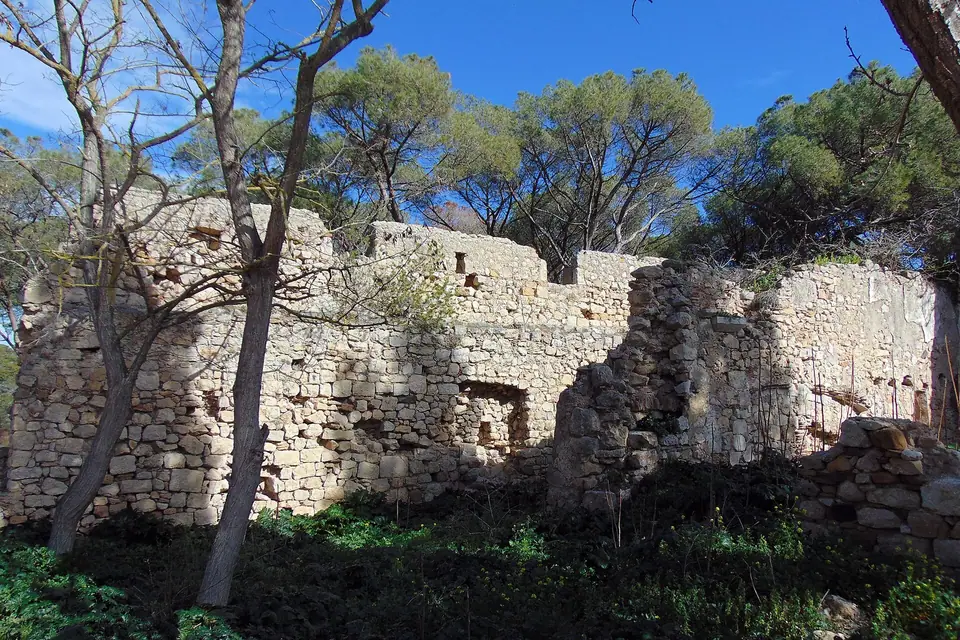
11. Montgrí Castle. It was built between 1294 and 1301 at the top of the massif and is a protected cultural asset. You reach it on foot: some sources give 1 hour up and 1.5 hours down, others an hour and a half; wear proper shoes. No confirmed opening hours or entry price are published.
12. L'Escala and the Empúries ruins. Empúries was the Greeks' and Romans' gateway into the peninsula. General admission is 7 euros and reduced 5 according to Surt de Casa, although some guides show old fares. Access closes an hour before the general closing time and there is no car park at the site: you walk from L'Escala. In L'Escala, the Anchovy and Salt Museum costs 3 euros, a joint ticket with the Alfolí de la Sal; the sailing club rents kayaks all year according to a listing.
Guided snorkelling at the Medes Islands with Medaqua
About 2.5 hours with a guide, a short briefing film, a 10-minute crossing and snorkelling in the marine reserve, with wetsuit, mask and fins.
Underwater-cabin catamaran to the Medes Islands
Crossing from L'Estartit to the Medes Islands on a catamaran with an underwater viewing cabin and a 20-30 minute swim stop in the reserve.
Guided snorkelling cruise to the Medes (glass-bottom boat)
About two hours from L'Estartit with guided snorkelling in the reserve and views of the seabed from a glass-bottom boat.
Parc Natural del Montgrí, les Illes Medes i el Baix Ter
Climb to the Montgrí Castle
A walk up to King Jaume II's fortress (1294-1301) above Torroella de Montgrí, with views of the Empordà and the sea.
Museu d'Arqueologia de Catalunya - Empúries (MAC Empúries)
Greek and Roman ruins of Empúries (MAC)
Greek and Roman city by the sea in L'Escala, with a museum and a walk among the ruins.
Ajuntament de L'Escala (Museu de l'Escala)
Anchovy and Salt Museum
Museum in L'Escala's former slaughterhouse on fishing and salting oily fish; admission is a joint ticket with the Alfolí de la Sal.
Sea-kayak hire in L'Escala
Sea kayak along the L'Escala coast from €15 an hour at the Club Nàutic in La Clota harbour.
Roses, Cadaqués and Cap de Creus
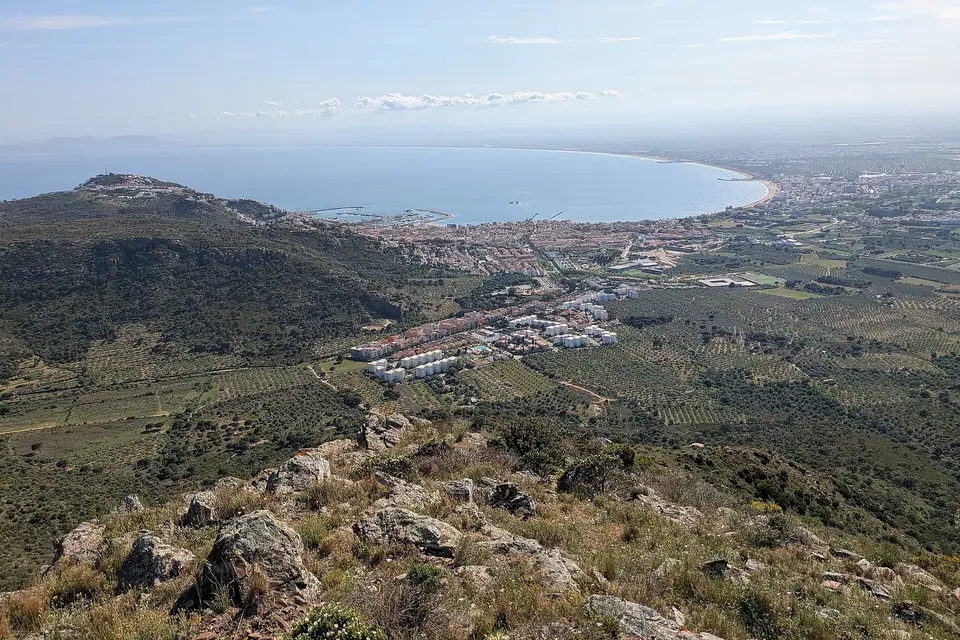
13. Roses and the boats to Cap Norfeu. Roses opens onto a big gulf with a seafront promenade and the Ciutadella. A glass-bottom catamaran leaves from here to Cap Norfeu and Cala Jóncols (from 30 euros per Tiqets and Civitatis, without saying whether it is an adult price) along with boat trips to Cadaqués (25 euros adult per CheckYeti, to be confirmed). For Cala Montjoi or Cap de Creus, set off early: the tracks are narrow and parking is scarce.
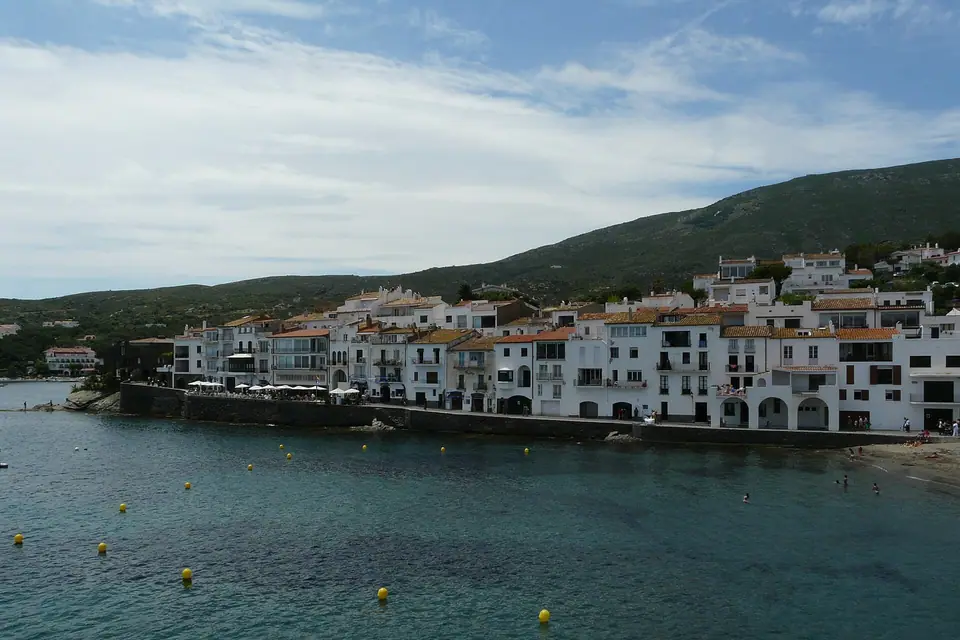
14. Cadaqués and Portlligat. Cadaqués hides at the end of a mountain road, with white houses and a painter's light; drive in only if you must, because the car park at the entrance fills up in summer. Portlligat holds the Salvador Dalí House (more in our Dalí triangle guide). Platja Gran and s'Alqueria are pebble beaches.
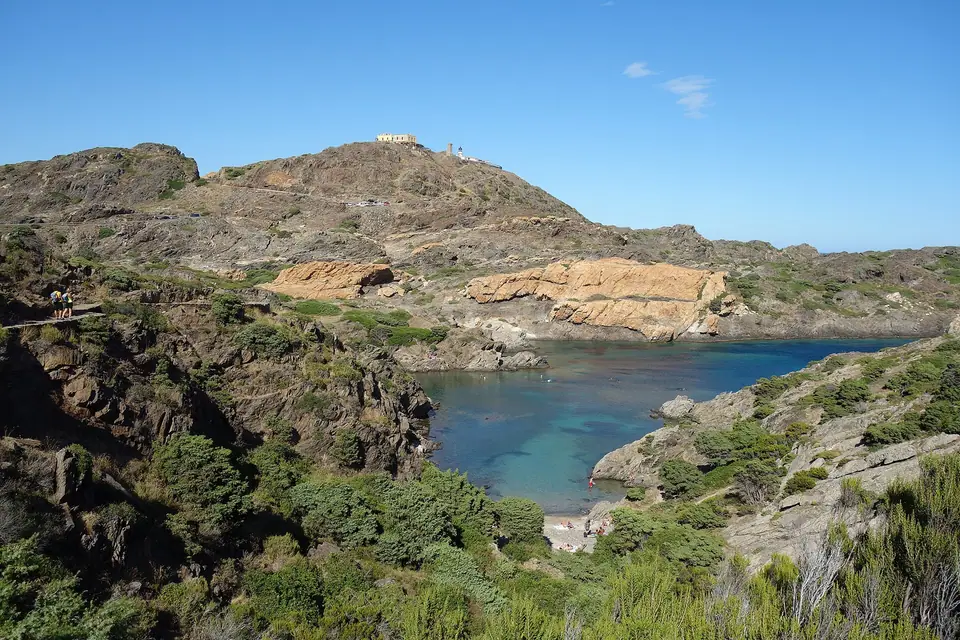
15. Cap de Creus lighthouse. There is a free car park (Corral d'en Morell, in Cadaqués) meant for those heading to the point, and a paid shuttle bus (7 euros return for adults in the 2024 access guide). Visorando mentions regulated access from June to September; 2026 conditions are not confirmed. On foot, the old path from Cadaqués is about 7.5 km one way and 2 h 15 min according to Empordà Turisme, or 14.8 km round trip, 760 m of climbing and around 4 hours according to Rutas Pirineos.
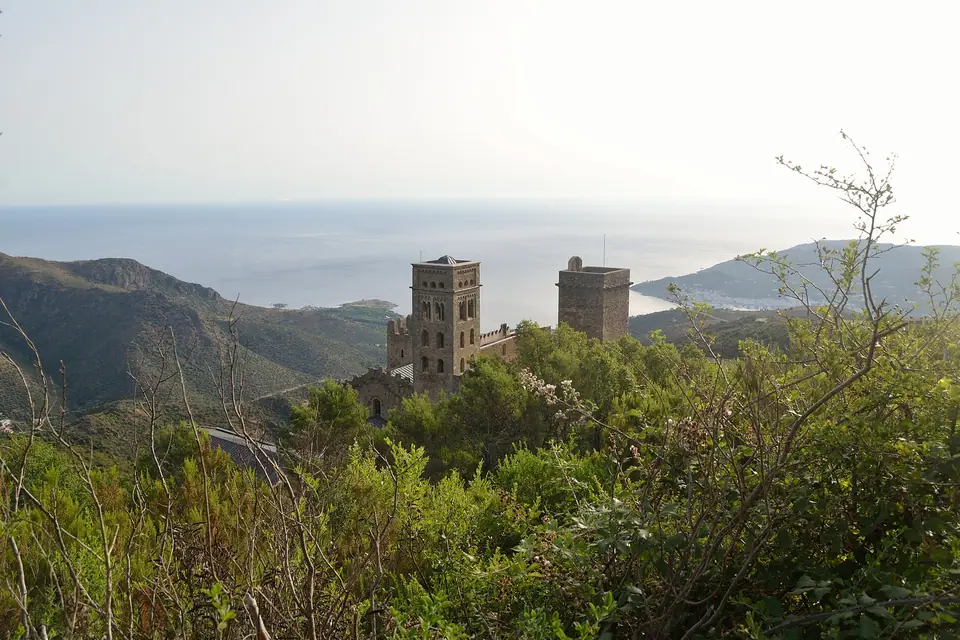
16. Sant Pere de Rodes and the Aiguamolls. The monastery rises on the slopes of Verdera; the official site gives Tuesday to Saturday 10 to 17:30 (October to April) or until 19:00 (May to September), and Sundays and holidays 10 to 15:00, closed on non-holiday Mondays. The same site shows a 7 euro admission and also free entry because of restoration work: price not confirmed. In the Aiguamolls de l'Empordà Natural Park, the El Cortalet centre is 1 km off the GIV-6216 road; entry and trails are free according to one guide, with a paid car park (about 5 euros).
Els Blaus de Roses (Nautilus Submarino)
Glass-bottom catamaran to Cap Norfeu from Roses
Two hours on a catamaran with underwater windows from Roses bay to Cap Norfeu and Cala Jóncols, with an audio guide in five languages.
Boat from Roses to Cadaqués, half day
About 3.5 hours on a traditional boat from Roses with 1.5 hours free in Cadaqués and commentary on Cala Murtra, Montjoi and Jóncols.
Old path from Cadaqués to the Cap de Creus lighthouse
A trail through the natural park to the lighthouse: about 14.8 km round trip with 760 m of climbing, or 7.5 km one way per another guide.
Cap de Creus lighthouse and headland
Visit to the peninsula's easternmost point inside the natural park; car access is regulated and a free 120-space car park serves Cadaqués.
Monestir de Sant Pere de Rodes (Agència Catalana del Patrimoni Cultural)
Sant Pere de Rodes Monastery
Romanesque Benedictine monastery above Cap de Creus, with views over the Bay of Roses.
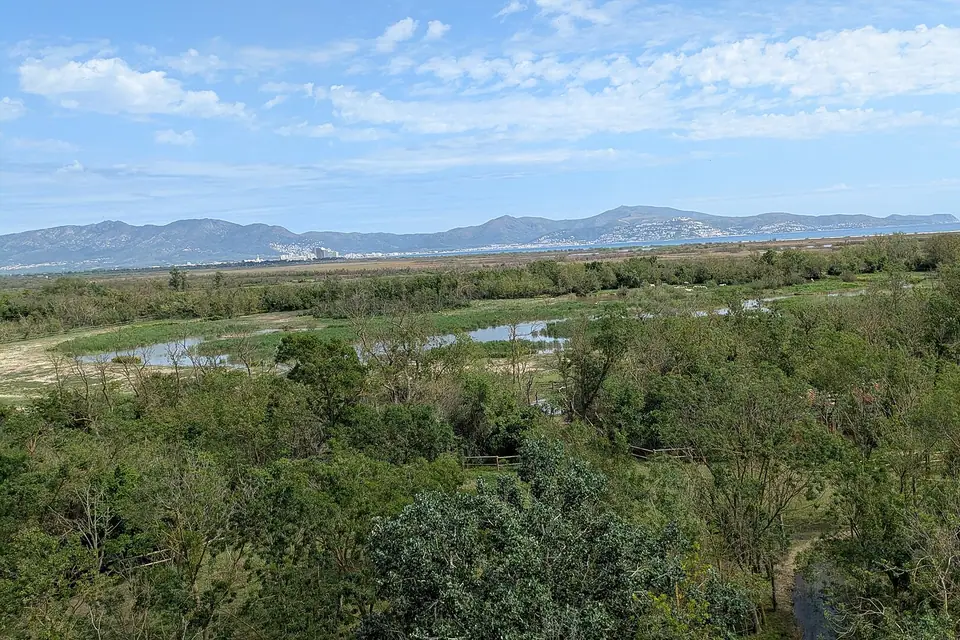
Parc Natural dels Aiguamolls de l'Empordà
Aiguamolls de l'Empordà Natural Park: El Cortalet centre
A wetland beside the Gulf of Roses with free trails and bird hides; El Cortalet centre is the information point.
Guided kayak and snorkel from Almadrava (Roses)
A guided outing of about 2.5 hours by kayak with snorkelling in Cap de Creus coves such as Murtra and Rostella; from 29 €.
Girona and Figueres: the city and the Dalí Theatre-Museum
17. Girona. Coloured houses over the Onyar river, the cathedral, the Call and the walls. Walking the city wall is free according to Audiala, although hours differ between sources (confirm with the town hall). For the Museum of Jewish History, Euro City Guide gives 4 euros and hours of Tuesday to Saturday 10 to 18:00, Sunday 10 to 14:00, not checked against the official site. Walk the walls at dawn or dusk to see the city with fewer people.
18. Figueres. It is the hub of the Alt Empordà. The Dalí Theatre-Museum costs 18.50 euros general (26.50 with a guided visit) according to the Gala-Salvador Dalí Foundation, which advises buying online. The Toy Museum of Catalonia costs 8 euros per Surt de Casa, an indoor option for a rainy day. At Sant Ferran Castle, sources agree on 10 to 20:00 hours but differ on fares (3, 5 or 15 euros depending on the visit). We cover the rest of the Dalí triangle, Púbol and Portlligat, in its own guide.
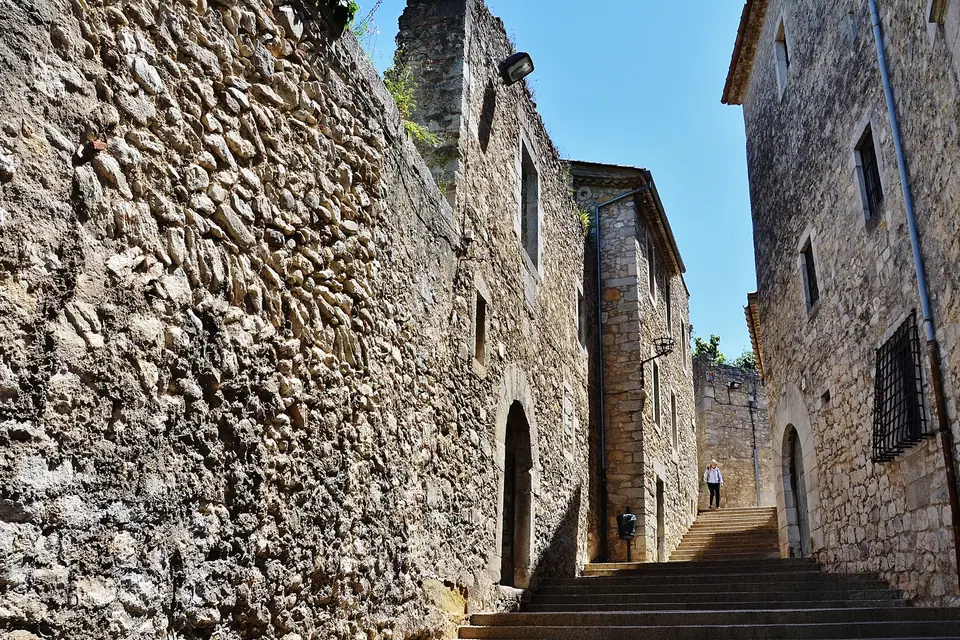
Ajuntament de Girona (Patrimoni i Turisme)
Walk along the Girona city walls
A walk along the old walls with views of the old town; free per one source.
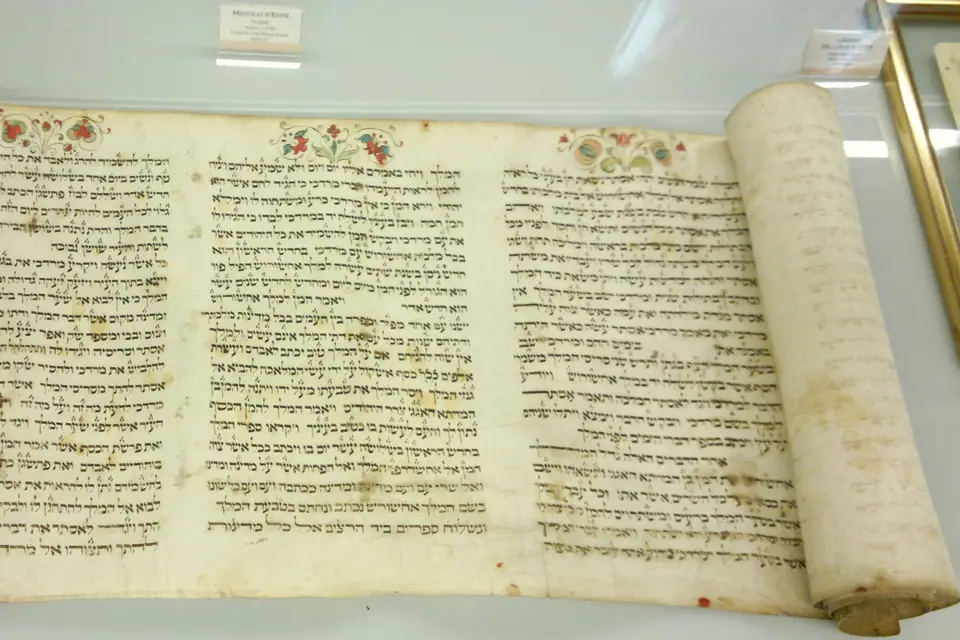
Ajuntament de Girona (Patrimoni i Turisme)
Girona Jewish Quarter and Museu d'Història dels Jueus
Museum in the former medieval synagogue at the heart of Girona's Call (Carrer de la Força 8).
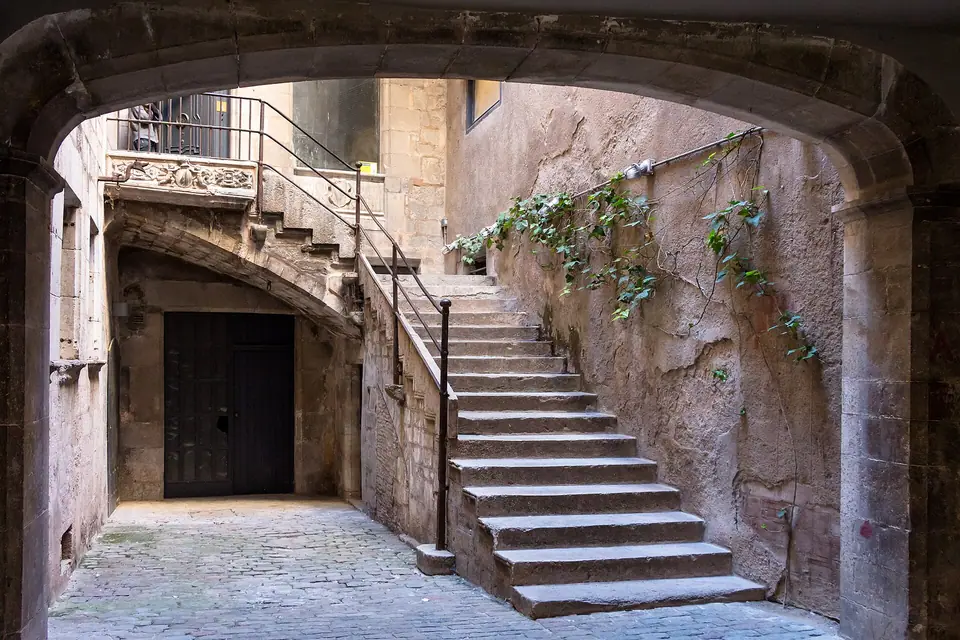
Girona Jewish Quarter guided tour with museum
Guided walk of about 2 h 30 min through the Call, including the Museu d'Història dels Jueus.
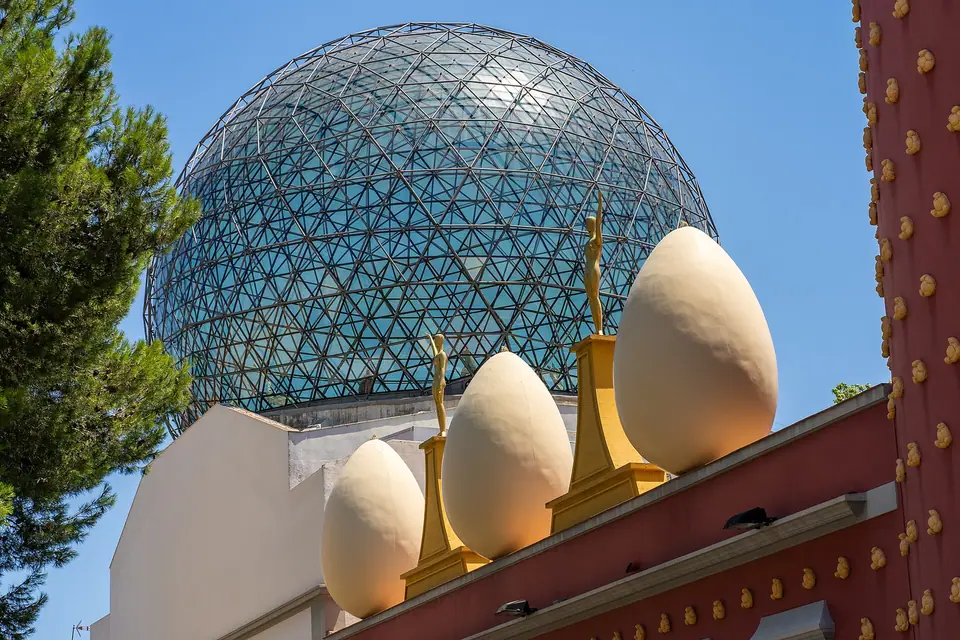
Dalí Theatre-Museum in Figueres (with Dalí Jewels)
The artist's great museum-as-artwork in Figueres' former municipal theatre, including the jewels Dalí designed.
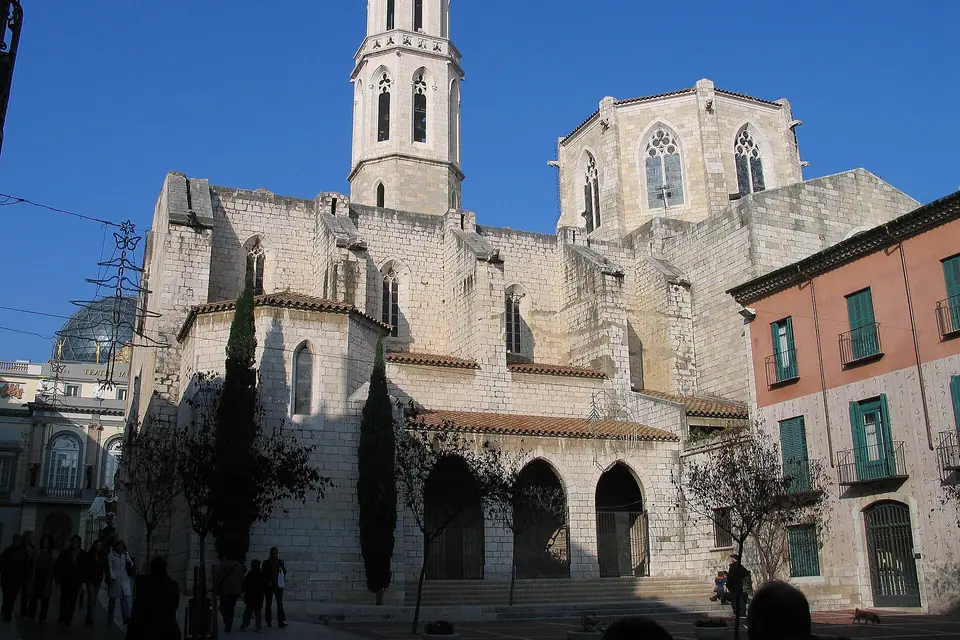
Toy Museum of Catalonia
Toy museum in Figueres' former Hotel París, with pieces from Dalí and Lorca.
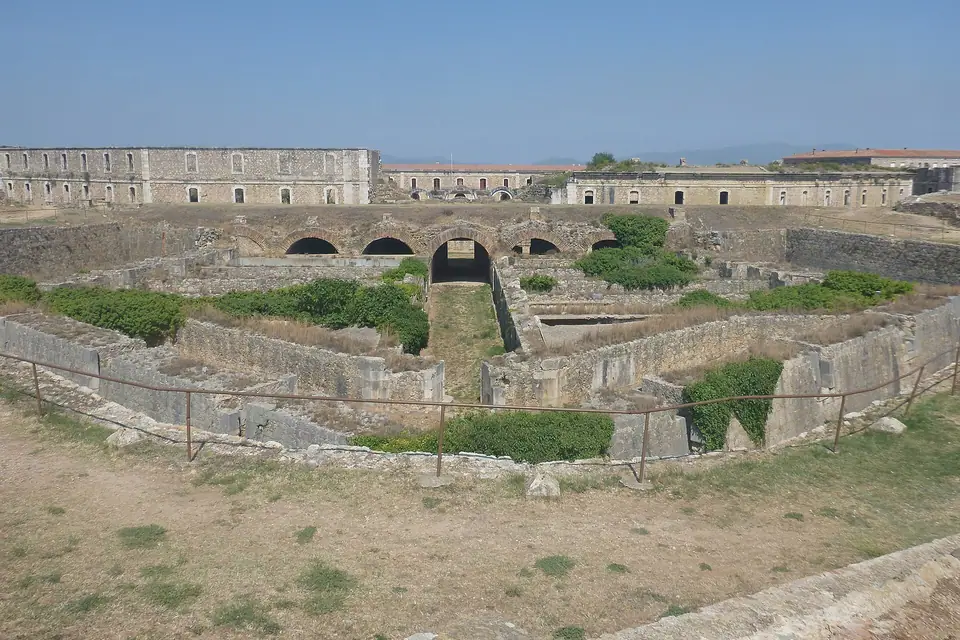
Castell de Sant Ferran (Figueres)
Sant Ferran Castle
Large eighteenth-century fortress in Figueres, with visits to the grounds, by electric bus and to the cistern.
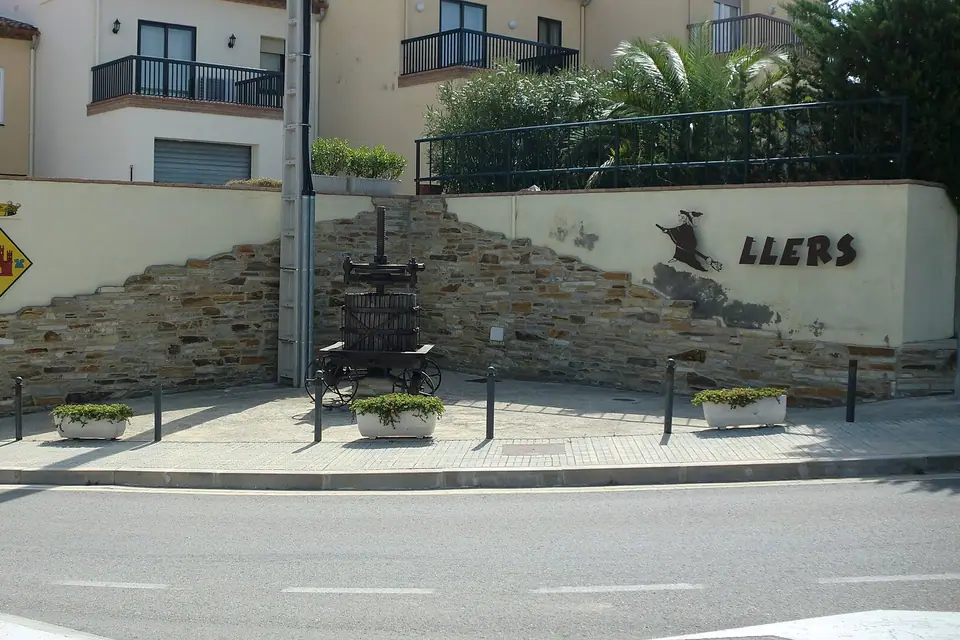
Cellar visit and tasting at Perelada
Guided visit of about 90 minutes to the cellar and a three-wine tasting, from EUR 29 per adult.
Official sources
Our own text, drawn from these sources as checked up to 25 November 2026. Rules and traffic restrictions change, so verify them before travelling.
Frequently asked questions
How many days do you need to see the Costa Brava?
It depends on the stretch. With three or four days you can do one stretch properly, for example Palafrugell-Begur plus Empúries, or Cap de Creus with Cadaqués, Portlligat and Figueres. Trying the whole coast from Blanes to Portbou, which the GR 92 covers in more than 200 km, takes far longer.
Which Costa Brava towns are the most worthwhile?
The ones that appear most in our listings and in official guides are Tossa de Mar, Calella de Palafrugell with Llafranc and Tamariu, Begur, Cadaqués and, inland, Pals and Peratallada. For history, L'Escala with Empúries and Girona.
Can you get around the Costa Brava without a car?
In part. There is a Renfe train to Girona and Figueres and Moventis Sarfa buses linking Lloret, Tossa, Sant Feliu, Palamós and Calella, according to Barcelona Secreta. The small coves, Cap de Creus and inland villages are easier by car; always confirm timetables on the official sites.
Which Costa Brava beaches have a Blue Flag?
Of the 37 coves and beaches in our directory, 12 are on ADEAC's 2026-2027 Blue Flag list, including Tossa's Platja Gran, Santa Cristina, Sa Boadella, Fenals, Sant Pol, La Fosca, Llafranc, Tamariu and Cala Montgó. See our coves guide for the detail.
How do you get there from Barcelona?
According to Renfe timetable aggregators, Barcelona Sants to Girona takes about 39 to 42 minutes and Barcelona Sants to Figueres about 53 to 59 minutes; from Plaça de Catalunya to Figueres you must change. By bus, Barcelona Secreta gives roughly 1 h 20 min to Lloret and 1 h 35 min to Tossa with Moventis Sarfa. Confirm times on renfe.com and moventis.es.
Atlas Costa Brava editorial team · reviewed on 25 November 2026
More guides
- Costa Brava coves: the best by area, with Blue Flags, sand and access
- Costa Brava Camí de Ronda: the most beautiful GR 92 stages, with distances and how to get back
- The Costa Brava out of season: what is open, what is closed and what the weather is like from November to March
- Dalí Museum Figueres tickets, plus Portlligat and Púbol: hours and prices
- Rainy-day plans on the Costa Brava
- Costa Brava with kids: what to do
- Free or cheap on the Costa Brava
- Low-effort, easy plans on the Costa Brava